
Service vs. Self-Interest: Governor Buni’s People-First Projects Put ‘Looting’ Governors to Shame

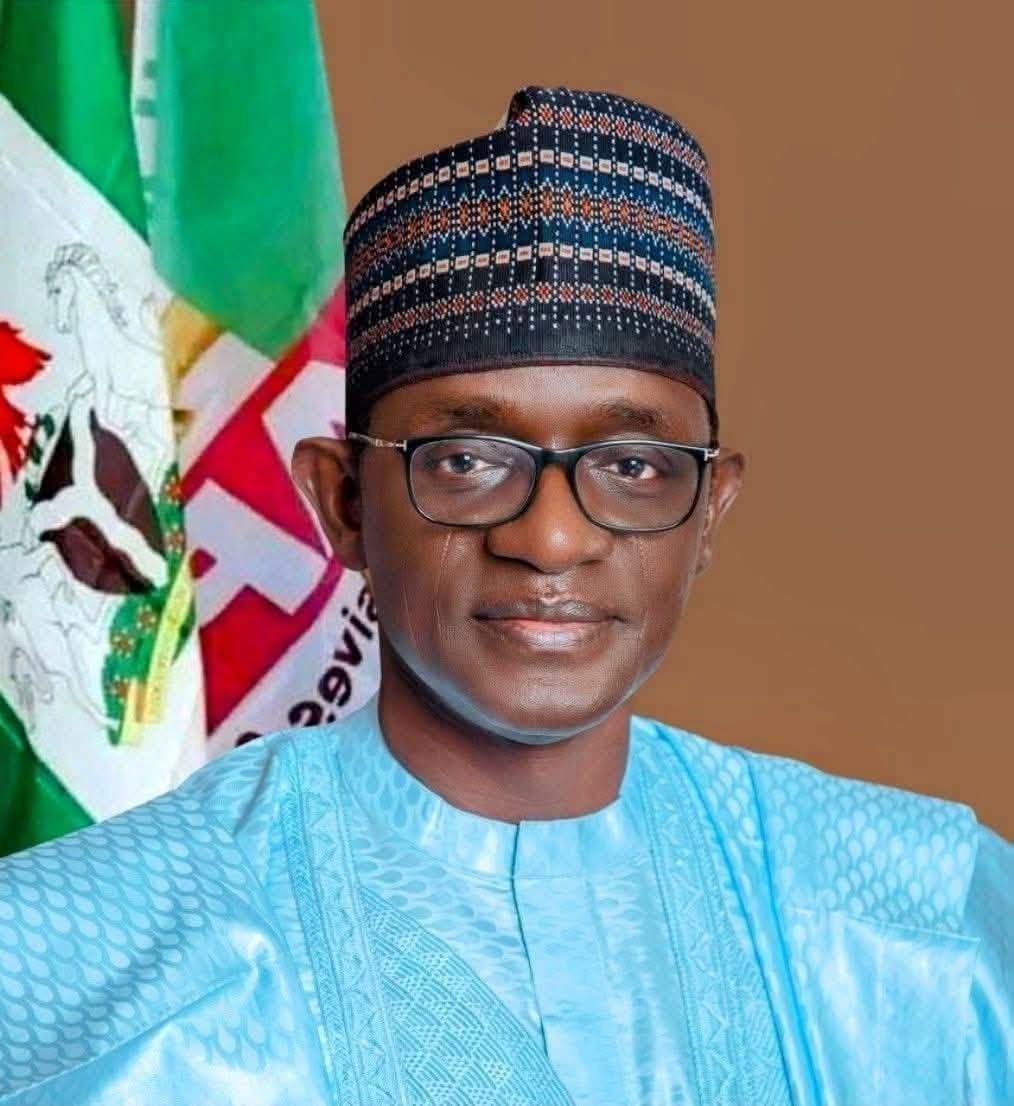
Service vs. Self-Interest: Governor Buni’s People-First Projects Put ‘Looting’ Governors to Shame
By Hannatu Lot
In a political landscape often marred by “white elephant” projects designed more for kickbacks than for communities, Governor Mai Mala Buni is carving out a different legacy in Yobe State. While some leaders view infrastructure as a convenient veil for siphoning public funds, Buni’s administration has shifted the focus back to the grassroots.
By prioritizing projects that address the immediate needs of the people—from healthcare to rural connectivity—he is proving that governance can be both transparent and transformative, setting a high bar for accountability that many of his peers have yet to reach.
The narrative emerging from Yobe State offers a refreshing, if not startling, contrast, the tangible results on the ground suggest a governance style defined by service rather than self-interest.
From the bustling construction sites of the Damaturu flyover to the quiet relief of pensioners finally receiving their dues, the Buni administration has operationalized a “People-First” agenda that challenges the status quo of state administration in Nigeria.
The Fiscal Antidote to “Looting”: Transparency and Gratuities
The most damning indictment of a “looting” administration is the neglect of workers and pensioners. Conversely, the strongest evidence of service is financial integrity.
According to the Secretary to the State Government (SSG), Alhaji Baba Malam Wali, the Buni administration has shattered records by clearing a massive backlog of N15.4 billion in gratuities for state and local government retirees.
In Yobe today, the era of pensioners dying while waiting for their entitlements has effectively ended; retirees are now enrolled on the payroll immediately after leaving service.
Furthermore, the state’s adherence to fiscal discipline has attracted global validation. Through reforms in the Treasury Single Account (TSA) and the State Fiscal Transparency, Accountability and Sustainability (SFTAS) program, Yobe secured over $20 million in grants and commendations from the World Bank and the Federal Ministry of Finance. These funds were not squirreled away but reinvested into the state’s coffers to fund the projects visible today.
Infrastructure: From “Ghost Roads” to Concrete Arteries
While some governors commission projects on paper, Yobe is witnessing a physical transformation. The administration is currently executing over 500km of road networks designed to link agrarian communities to markets.
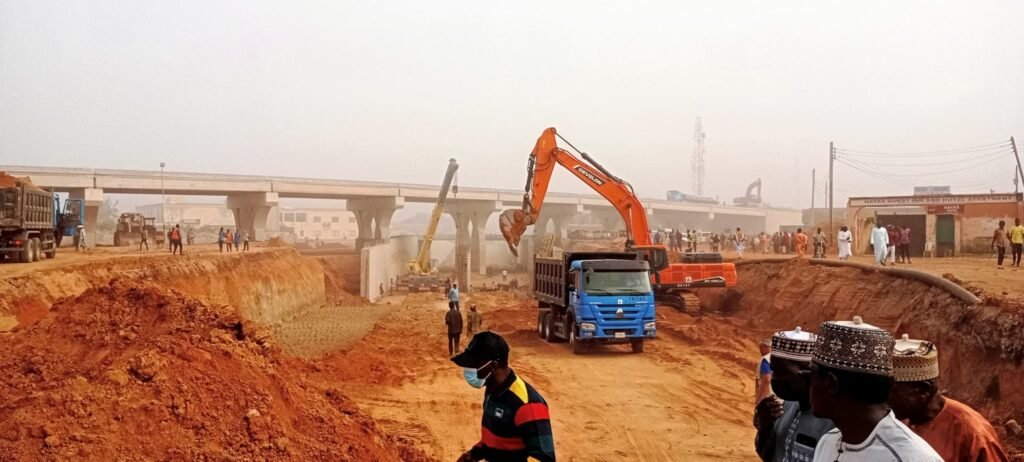
The crown jewel of this urban renewal is the three-level flyover and underpass in the heart of Damaturu. Currently at an advanced stage and slated for completion in the first quarter of 2026, this N22 billion project by Triacta Nigeria Ltd is set to decongest the capital and modernize its skyline.
Beyond the capital, the administration has completed critical rural access roads including:
* The Katarko-Goniri and Siminti-Godowoli roads.
* The 25.5km Damaturu-Kalallawa dual carriage way (linking to the Cargo Airport).
* Strategic border roads like the Nguru-Bulanguwa-Kumagannam axis.
Economic Revitalization: Building Wealth, Not Hoarding It
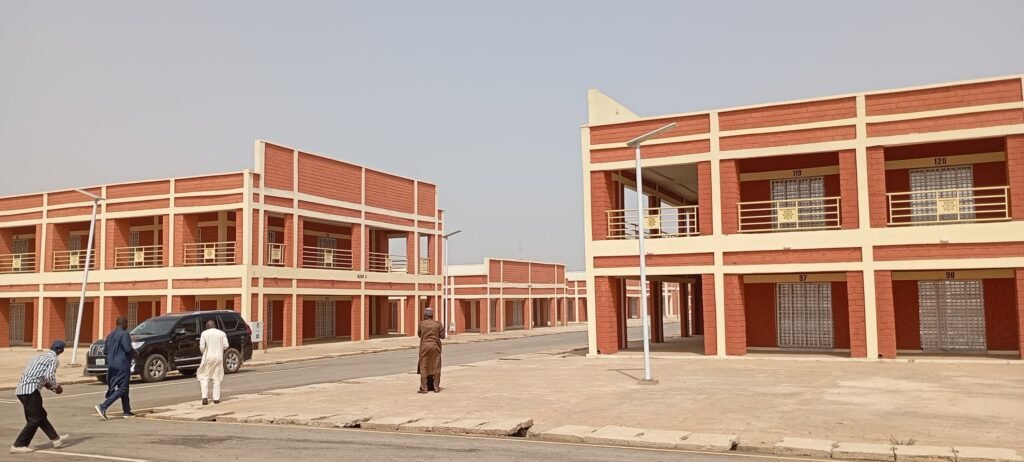
Governor Buni’s strategy moves beyond handouts to creating sustainable economic hubs. The administration has constructed modern markets across the state—including the Ibrahim Geidam Ultra-Modern Market in Damaturu and new commercial hubs in Potiskum, Gashua, Nguru, Machina, and Ngalda.
Specifically, the Potiskum Truck Transit Park, covering 86,000 square meters, creates a formalized economy for the region’s massive logistics sector, expected to generate 5,000 direct jobs.
Recognizing Yobe’s status as a leading producer of sesame, the government has moved from mere farming to processing, establishing four Sesame Seed processing factories. This shift towards industrialization ensures that value is added within the state, putting money directly into the pockets of local farmers rather than foreign intermediaries.
Read Also: Buni-Led APC Strategy, Conflict Resolution and Mobilisation…
Security: The Prerequisite for Development
None of these achievements would be sustainable without peace. Taking over a state once ravaged by insurgency, Governor Buni prioritized security logistics.
The administration has provided over 250 patrol vehicles and 500 motorcycles to security agencies. By facilitating the engagement of over 2,000 vigilantes and hunters, the government successfully reclaimed inaccessible communities in Gujba and Gulani. Today, travelers arrive in Damaturu as late as 11:00 PM without fear—a testament to a “Silent Revolution” in security that has allowed the night economy to thrive.
Human Capital: Investing in Health and Minds
The “Service” model is perhaps most evident in the social sector. The state declared a state of emergency on education, leading to the construction of six new Model Schools and seven Mega Schools.
Crucially, the government has lifted the burden off parents by paying WAEC, NECO, and NABTEB examination fees for all public school students.
In healthcare, the Buni administration has achieved a milestone that eludes many older states:
* 140 out of 178 Electoral Wards now have functional Primary Healthcare Centers.
* The Yobe State University Teaching Hospital has been upgraded with an MRI, 164-slice CT scan, and a new 300-bed Maternal, Newborn and Child Health (MNCH) Complex.
* Immunization coverage has skyrocketed from 16% to 65%, earning Yobe the title of the most improved state by the Federal Ministry of Health.

The Verdict: A Legacy of Service
As Alhaji Baba Malam Wali noted during the end of Journalist Media Tour briefing, these strides were made despite “scarce resources.” This caveat is what separates Governor Buni from the “looting” class of politicians. It is not that Yobe has infinite wealth; it is that the available resources are being directed toward the public good—towards the 6,449 newly employed civil servants, the thousands of patients receiving subsidized care, and the farmers transporting goods on new roads.
In the words of an eyewitness to this transformation, Yobe has become a “land of opportunity” rather than a zone of recovery. Governor Buni’s administration proves that when self-interest is shelved, governance works.
