
Google unveils WAXAL to amplify African voices in AI

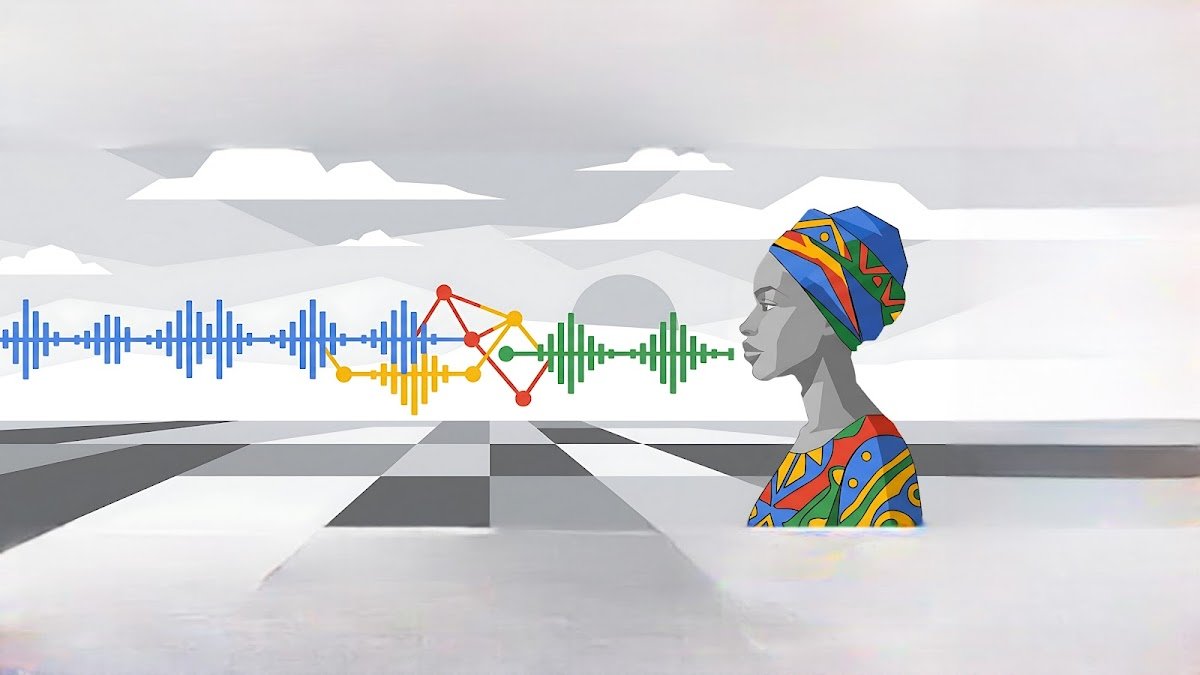
Google unveils WAXAL to amplify African voices in AI
Google, partnering leading African research institutions, has launched a project to give over 100 million Africans a voice in the Artificial Intelligence future.
The project, called WAXAL, is a large-scale, open speech dataset supporting research and inclusive voice-enabled AI development across Africa.
Google Research Africa Head, Aisha Walcott-Bryant, in a statement on Monday, said the initiative would empower African communities through technology.
She said WAXAL’s ultimate impact was people’s empowerment across the continent through access to locally relevant AI tools.
“This dataset provides a critical foundation for students, researchers and entrepreneurs to build technology on their own terms,” Walcott-Bryant said.
She added that it enables innovation “in their own languages, finally reaching over 100 million people”.
Walcott-Bryant said African innovators would use the data to build educational tools and voice-enabled services creating economic opportunities continent-wide.
She said the dataset provided foundational speech data for 21 Sub-Saharan African languages, including Hausa, Yoruba, Luganda and Acholi.
According to her, WAXAL helps bridge a long-standing digital divide limiting voice technology development for Africa’s indigenous languages.
“While voice technologies are widespread globally, scarce high-quality speech data has hindered progress across Africa’s 2,000 languages.
“This has excluded hundreds of millions from accessing technology in their native tongues,” she said.
Walcott-Bryant said WAXAL was developed over three years with Google funding, featuring 1,250 hours of transcribed natural speech.
Read Also: Yelwata massacre: Court remands suspected terrorists
She added that it also included over 20 hours of high-quality studio recordings for building high-fidelity synthetic voices.
She said the project prioritised community ownership and participation throughout its development process.
Walcott-Bryant said African institutions led data collection, with technical support from Google experts.
She named partners to include Makerere University, the University of Ghana and Rwanda’s Digital Umuganda.
According to her, partner institutions retain full data ownership, describing the model as a new framework for equitable, partnership-led AI development in Africa.
