
TETFund Moves to End Project Delays in Nigerian Tertiary Institutions

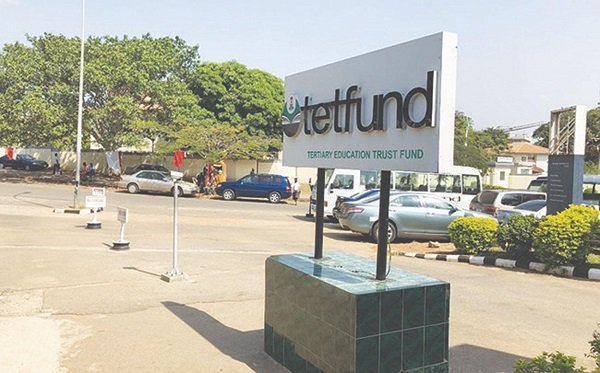
TETFund Moves to End Project Delays in Nigerian Tertiary Institutions
The Board of Trustees of the Tertiary Education Trust Fund (TETFund) has issued a stern warning to beneficiary institutions across Nigeria, stating that schools with stalled infrastructure projects will be barred from receiving approval for new projects in the upcoming 2027 allocation cycle.
Speaking on the persistent delays in project delivery, the Chairman of the TETFund Board of Trustees, Rt. Hon. Aminu Bello Masari, made it clear that internal bureaucracy and institutional politics would no longer be allowed to jeopardize government-funded developments.
While acknowledging that market volatility and rising costs of essential construction materials—such as cement, reinforcement bars, and electrical fittings—have contributed to delays in the past, Masari noted that the Fund had already introduced a dedicated intervention line in 2023 to help complete distressed projects.
Although that initiative successfully brought many delayed developments to completion, the Board expressed deep concern over the continued failure of several institutions to meet project timelines.
According to the Fund, the core issues now stem from administrative bottlenecks within the schools themselves. Masari pointed to a lack of continuity by institutional heads who abandon ongoing work to pursue new projects, as well as prolonged delays in processing payments to contractors on site.
To resolve the problem permanently, the Board has rolled out a suite of immediate measures. Beneficiary institutions are now required to compile a detailed list of all projects overdue by more than six months, complete with the root causes of the delays, proposed remedies, updated completion costs, and priority rankings. Institutions must also establish robust supervision teams through their respective physical planning departments to guarantee that projects meet time, cost, and quality standards.
Read Also: World Hepatitis Day: Adamawa screens 240,000 residents in Yola
Under the new directive, affected schools must allocate their existing annual, zonal, and high-impact funds toward finishing these pending structures before any new proposals will be considered. No new projects will be admitted for these institutions in the 2027 cycle until existing ones are completed.
To enforce compliance, joint monitoring teams consisting of Board members and technical personnel will conduct physical, on-the-spot assessments of delayed sites through August and September 2026. Their findings and the institutions’ completion proposals will be evaluated during the Board’s statutory meeting in October 2026, where the final disbursement guidelines for 2027 will be finalized.
