
Floods, windstorms affect 38,820 people, displace 1,181 in Yobe — Director

Floods, windstorms affect 38,820 people, displace 1,181 in Yobe — Director
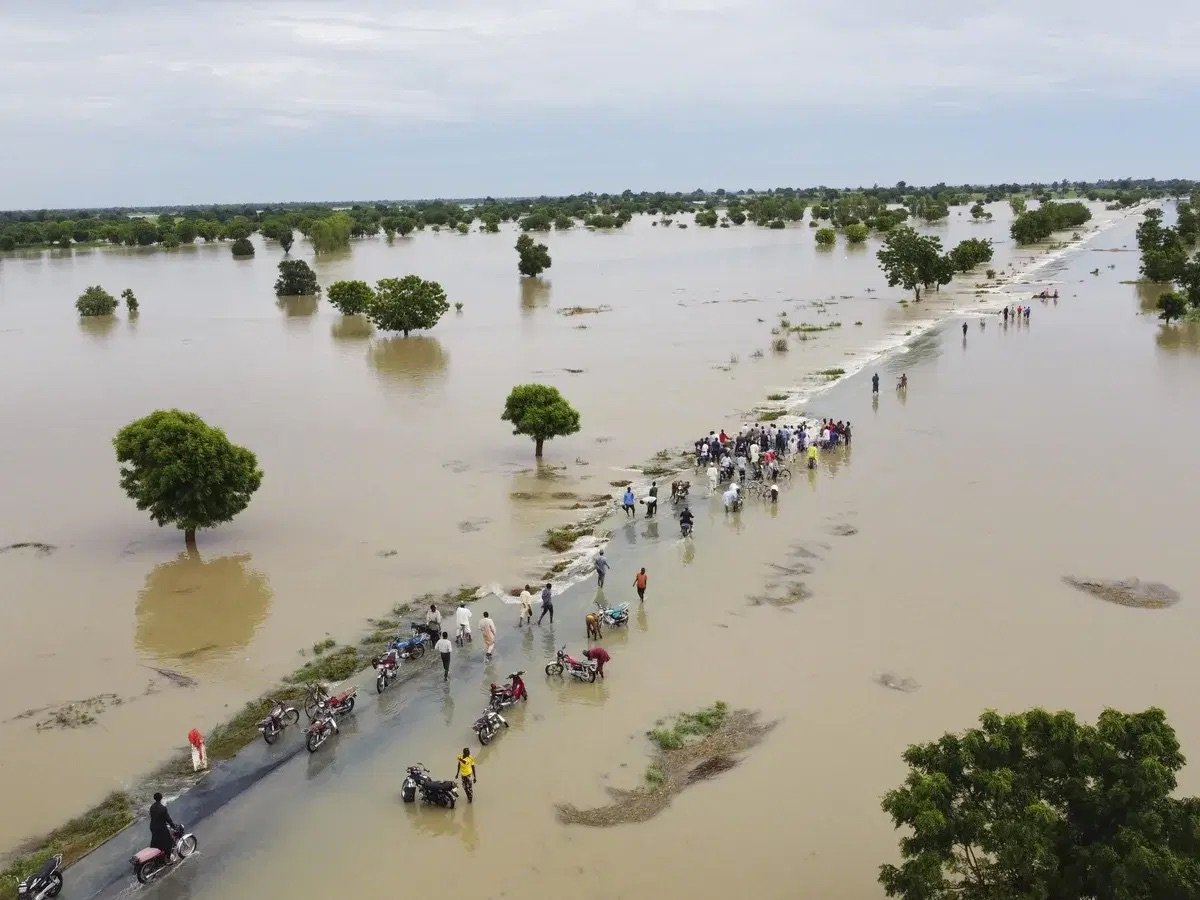
The Yobe State Emergency Management Agency (YOSEMA) says flash floods and windstorms have affected 38,820 people, damaged 23,213 shelters and displaced 1,181 individuals across 16 local government areas of the state since May 2026.
Dr Muhammed Jalo, the Director of Search and Rescue Operations of YoSEMA, disclosed this in an interview with the News Agency of Nigeria (NAN) on Tuesday in Damaturu.
Jalo said the disaster had affected 11,580 households between May 8 and Oct. 11, leaving many families with damaged homes and urgent needs for shelter, food, household items and safe drinking water.
He said an additional 1,735 households, comprising 4,287 individuals, were affected between Aug. 10 and Oct. 11 alone, across 131 communities in six local government areas.
The director explained that Tarmuwa and Nangere recorded the highest impacts during the period, with traditional mud houses and buildings with weak roofing structures sustaining considerable damage.
According to him, 704 households, comprising 891 individuals, were affected in Tarmuwa, where 768 shelters or rooms were damaged and 23 people injured.
He said Nangere recorded 619 affected households, comprising 656 individuals, across 110 communities, with 281 shelters damaged and 17 people injured.
Jalo said the figures reflected the continuing vulnerability of communities exposed to heavy rainfall, flash flooding and strong winds, particularly where residential buildings could not withstand prolonged adverse weather conditions.
He said the cumulative casualty toll had reached 352 injuries and 11 deaths since the emergency began, adding that 49 new injuries were recorded during the latest reporting period, although no additional fatalities were reported.
The director attributed most of the injuries to collapsing mud walls and buildings weakened by rainfall and flooding, falling roofing sheets and related debris.
He said the consequences extended beyond residential buildings, as the disaster had also affected public infrastructure essential to education, water supply and community life.
Jalo said Ngomari Central Primary School in Gujba and a primary school in Tarmuwa were among the facilities affected.
He added that water overflow damaged a borehole, well and a mosque in Chukuriwa village, Nangere Local Government Area.
According to him, the damage to homes and community facilities had compounded the difficulties facing affected residents, particularly families requiring temporary accommodation and assistance to restore their livelihoods.
Jalo said 490 households, comprising 1,181 individuals, had been displaced and were staying with host communities or in temporary shelters while awaiting assistance.
He identified emergency shelter and housing support as the most immediate needs, including tarpaulins, roofing sheets, timber, shelter repair kits and transitional accommodation for households whose homes had been severely damaged or destroyed.
The director said affected families also required blankets, sleeping mats, kitchen sets, mosquito nets and other non-food items, alongside food assistance and water, sanitation and hygiene services.
He said the restoration of damaged public facilities, particularly schools and water points, was also necessary to help affected communities regain access to essential services.
Jalo said YOSEMA and humanitarian partners had continued to provide assistance to affected households, although significant gaps remained.
Read Also: IVF/Surrogacy: NISA calls for regulatory…
He said the agency provided food assistance to 293 households in Nguru in August, while Action Against Hunger distributed non-food items to 25 households in the area.
The director added that Save the Children International distributed non-food, hygiene and water, sanitation and hygiene kits to 390 households in Mamudo, Potiskum, and 220 households in communities in Jakusko.
He said the interventions had provided some relief but had not fully addressed the growing needs of communities affected by the floods and windstorms.
Jalo called for sustained support for affected households, particularly those requiring emergency shelter, food, household supplies and access to safe water.
He also stressed the importance of strengthening early warning dissemination, community sensitisation and safer construction practices to reduce the risks associated with severe weather events.
The director said the agency conducted its assessments in collaboration with Local Emergency Management Committees and humanitarian partners.
The affected local government areas are: Bade, Bursari, Damaturu, Fika, Fune, Gujba, Gulani, Jakusko, Karasuwa, Machina, Nangere, Nguru, Potiskum, Tarmuwa, Yunusari and Yusufari.
