
Cautious calm prevails in Syria following ceasefire deal

Cautious calm prevails in Syria following ceasefire deal
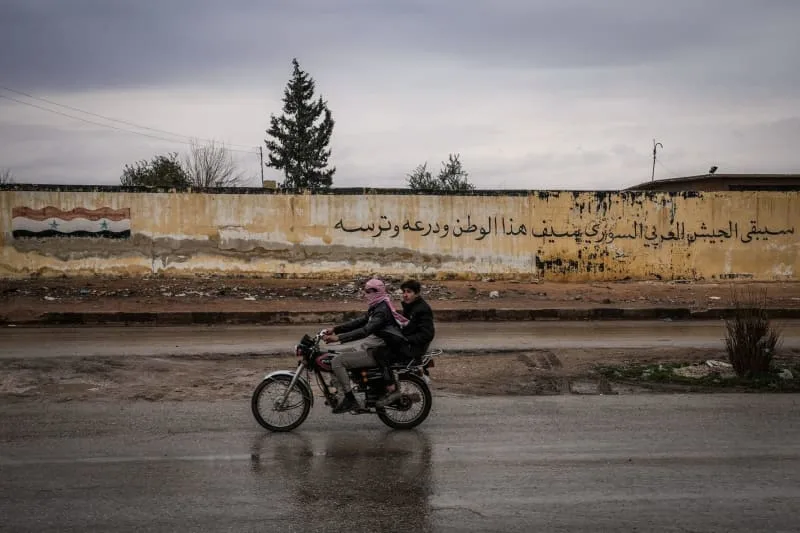
A cautious calm prevailed on Monday across northern and eastern Syria, particularly in and around the city of al-Raqqa, as authorities began implementing a recent agreement aimed at de-escalating the fighting.
Syrian interim President Ahmed al-Sharaa announced on Sunday that an agreement had been reached to enforce a ceasefire between government forces and the U.S.-allied, Kurdish-led Syrian Democratic Forces (SDF), the state-run SANA news agency reported.
The violence flared after government forces, backed by Arab tribal fighters, advanced into areas that had been under SDF control for years.
The deal provides for a “comprehensive and immediate ceasefire on all fronts and points of contact,” SANA said.
Under the agreement, the SDF is to withdraw east of the Euphrates River as a preliminary step.
The accord also stipulates the handover of the SDF’s administrative and military control of the eastern Deir al-Zour and al-Raqqa provinces, with SDF forces to be integrated into the interior and defense ministry.
The SDF has not yet commented publicly on the ceasefire. However, the name and signature of its commander, Mazloum Abdi, appear on the text of the agreement.
Residents of al-Raqqa said a strict curfew remained in place on Monday, with mosque loudspeakers instructing people to stay inside their homes.
Read Also: FEATURES: Voices in the market: Daily lives of traders in Agege,…
Widespread power and water cuts, the closure of bakeries and the suspension of bread distribution have deepened humanitarian concerns and heightened public anxiety.
“The situation is calm, but we are still cautious about going out,’’ said Aboud al-Jamaa.
Units from the Interior Ministry of Syria’s transitional government were seen deploying in al-Raqqa, a move welcomed by many residents of the city, which was once the de facto capital of the Islamic State group until it was captured by the SDF in 2017.
Critics of the agreement, particularly among the Kurdish population, however, fear it could mark the end of Kurdish self-governance in northeastern Syria. (Reuters/NAN)
