
NFIU Chief, Lawmakers Unite to Cement Nigeria’s Financial Integrity Gains

NFIU Chief, Lawmakers Unite to Cement Nigeria’s Financial Integrity Gains
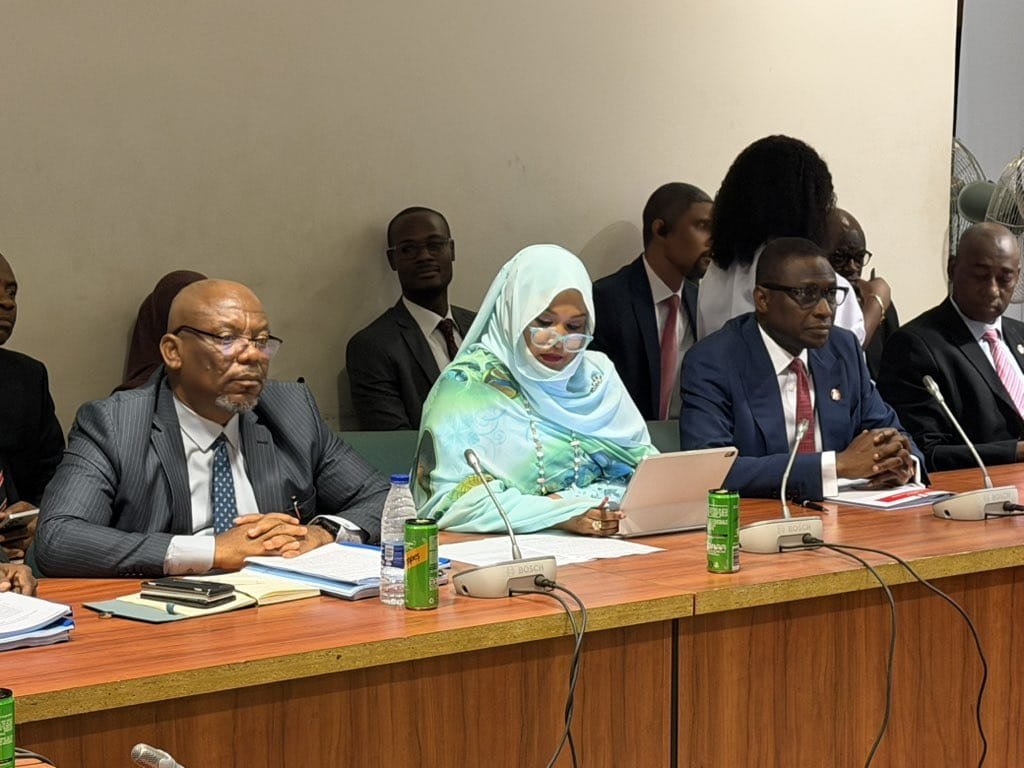
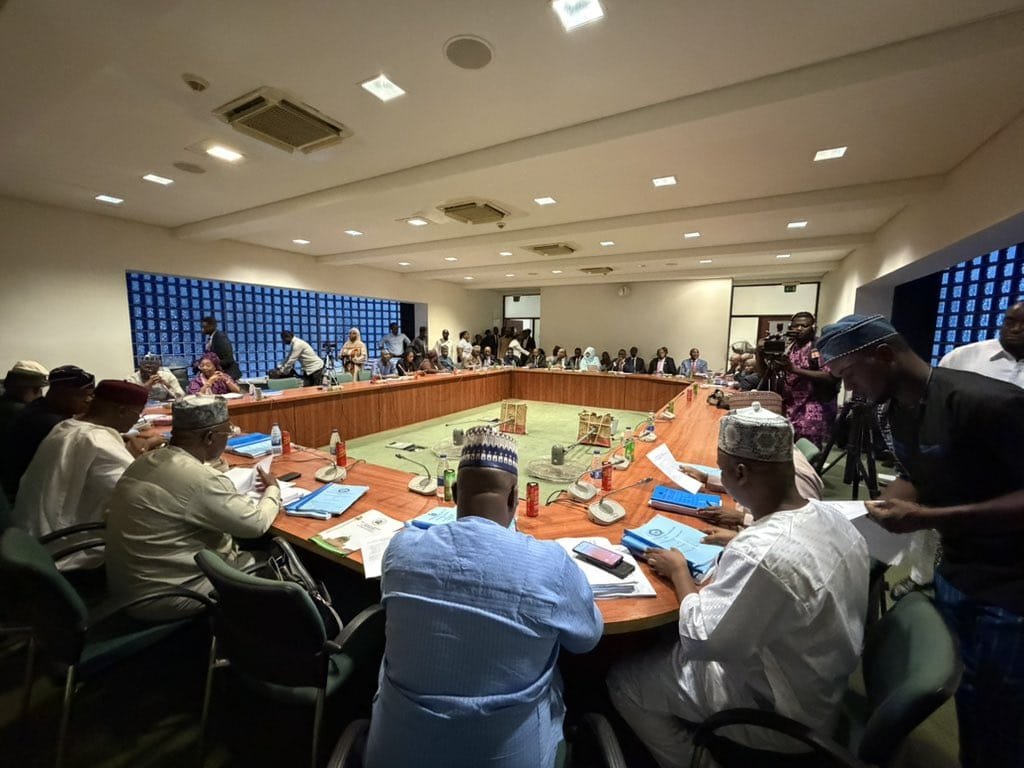
In a high-stakes session that underscored a critical partnership between Nigeria’s legislative and financial intelligence arms, the House of Representatives Committee on Financial Crimes hosted the CEO of the Nigerian Financial Intelligence Unit (NFIU), Hafsat Abubakar Bakari, for the 2026 budget appraisal.
The meeting transcended routine fiscal scrutiny, evolving into a strategic council on consolidating Nigeria’s hard-won status in the global fight against financial crimes.
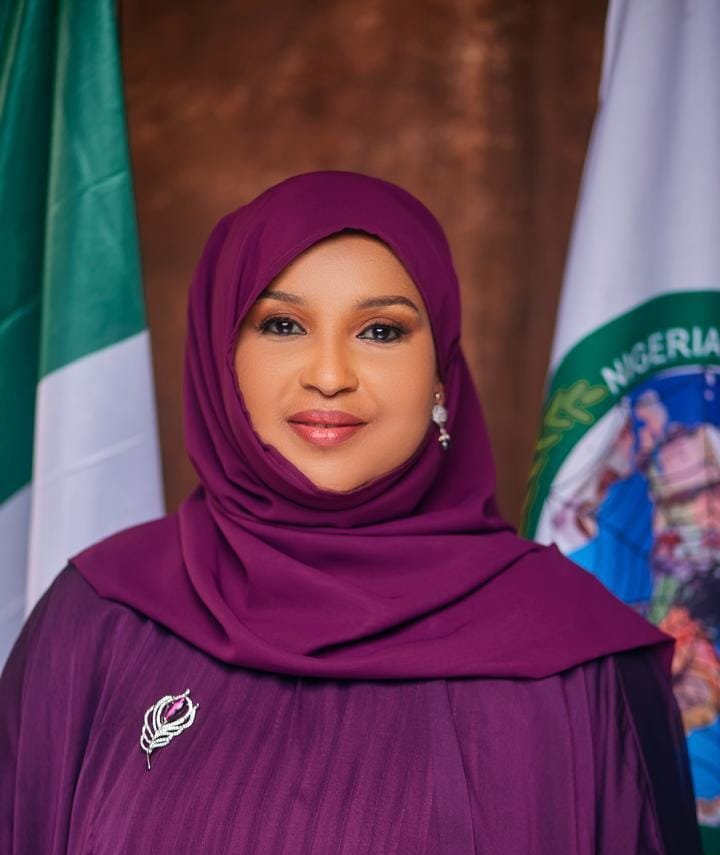
The central pillar of the engagement was the celebration of tangible, internationally recognised progress. Hajia Bakari directly linked the sustained legislative oversight and support from the National Assembly to Nigeria’s recent exit from two major international watchlists: the Financial Action Task Force (FATF) Grey List and the European Union’s list of high-risk third countries. This dual exit is not merely symbolic; as Bakari noted, it has “significantly enhanced Nigeria’s global standing” and, more concretely, “secured participation rights under the FATF Guest Jurisdictions Initiative.” This shift positions Nigeria from a monitored jurisdiction to an engaged participant in shaping global AML/CFT/CPF standards.
The Committee Chairman, Rt. Hon. Ginger Onwusibe, in his remarks, provided the domestic counterpoint to this international acclaim. He cataloged the on-the-ground results: “substantial asset recoveries, property forfeitures and convictions.” These outcomes, he emphasised, were driven by “improved financial intelligence and inter-agency collaboration,”
He credited the NFIU’s revamped role in intelligence analysis and dissemination. This directly connects the Unit’s technical work to measurable law enforcement success, painting a picture of a more effective, unified financial crime-fighting apparatus.
Read Also: NDLEA Officer Killed in Bloody Bonny Island Drug Raid; Six…
The national assembly engagement further served as a powerful public endorsement of the NFIU’s current leadership. Chairman Onwusibe explicitly tied the progress to “focused leadership and institutional reforms under Hajia Hafsat Abubakar Bakari.”
Beyond appraisal, the meeting was a pact for the future. Both parties—lawmakers and the NFIU leadership—pledged “continued collaboration.” The Committee reaffirmed its commitment to a three-pronged support system: effective legislation, adequate funding, and robust oversight. According to the chairman of the committee, the meeting is crucial and beyond mere budgetary allocation, promising the the committee will exercise its legal tools and sustained engagement necessary for the NFIU to build on its momentum.
