
Period poverty forces FCT schoolgirls out of classrooms — stakeholders call for urgent action

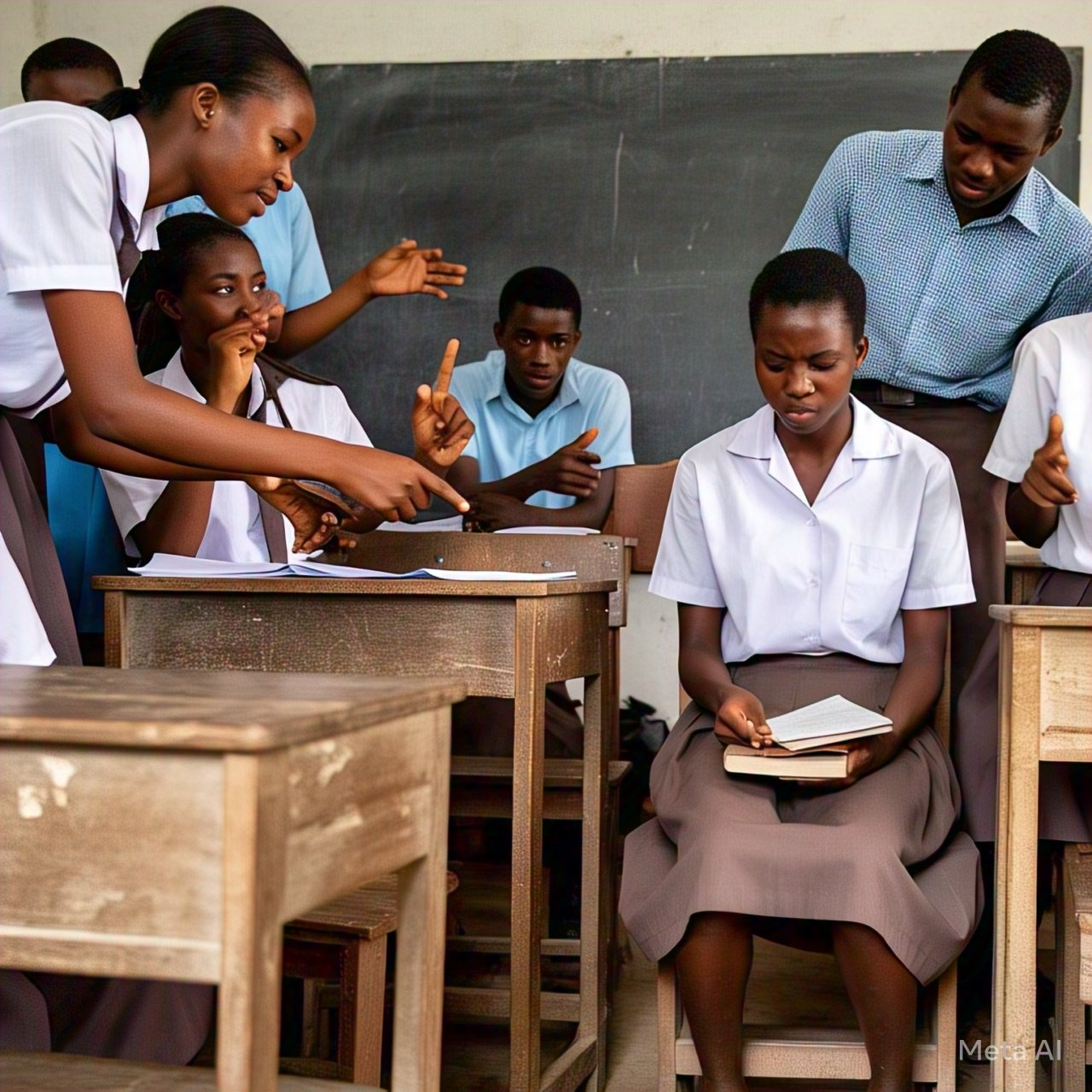
Period poverty forces FCT schoolgirls out of classrooms — stakeholders call for urgent action
Many adolescent girls in the Federal Capital Territory (FCT) have said that the onset of menstruation, though a natural biological process, often leads to missed school days, emotional distress, and social exclusion driven largely by poverty and stigma.
Menstruation, also known as a period, is a normal part of the reproductive cycle in individuals with a uterus. It occurs when the uterine lining breaks down and is expelled from the body through the vagina in the form of blood and tissue.
The students shared their experiences in separate interviews with the News Agency of Nigeria (NAN) on Thursday in Abuja, as part of activities marking the 2026 World Menstrual Hygiene Day. They highlighted how lack of access to affordable sanitary products continues to disrupt their education and daily lives.
Period poverty forces FCT…. many of the girls into situations where they miss classes, feel embarrassed, and struggle to manage their monthly cycle with dignity.
They further noted that Period poverty forces FCT…. students to rely on inadequate alternatives, increasing discomfort and reinforcing stigma around menstruation in schools and communities.
VMT NEWS reports that Menstrual Hygiene Day is observed annually on May 28 to highlight the importance of menstrual care and raise awareness about the challenges faced by people who lack access to sanitary products.
The theme for this year’s Menstrual Hygiene Day is “PeriodFriendlyWorld”, bringing together governments, United Nations agencies, civil society organisations, researchers and communities to promote menstrual health and hygiene.
The 2026 World Menstrual Hygiene Day, with the theme “Together for a Period-Friendly World”, calls for collective action to transform the lives of girls and women in Idemili South and across the globe.
Speaking, an 18-year-old, Hannatu Salihu, who lives in Pigba-Kasa, a hard-to-reach community in the Apo area of the FCT, said she experienced her first menstrual cycle at the age of 13.
Salihu said surviving each day often takes priority over personal hygiene.
“What initially felt like a proud transition into womanhood quickly turned into a recurring source of anxiety.
“Following the loss of my father and the absence of my mother, I now live with my elderly grandmother, whose limited resources are stretched thin to cover only basic meals.
“When I ask for money for sanitary pads, nobody considers it important. There is simply no money,” she narrated.
According to her, the rising cost of disposable sanitary products has made menstrual hygiene an unaffordable necessity for many girls like her.
“I often rely on a friend for support, but when that help is unavailable, I am forced to remain indoors.
Read Also: 3rd Anniversary: Mbah redefines governance, accelerates…
“I stay at home during my period because I have nothing to use,” she said.
Her situation reflects a broader crisis affecting adolescent girls across underserved communities in the FCT, including Waru, Tasha, Kabusa and Kwali, where thousands of girls miss school monthly due to menstruation.
Mrs Oyeyemi Pitan, Executive Director of Gem Hub Initiative, said the fear of staining school uniforms and facing ridicule from peers continued to drive absenteeism among teenage girls.
According to Pitan, who is also an educationist, menstruation, a natural part of life, has long been surrounded by stigma, silence and misinformation.
“It is time to change this and create the Idemili South of our dreams, where every woman and girl can manage her menstrual health with confidence, dignity and pride.
“Government must foster an environment where menstruation is openly discussed, and education about menstrual health is accessible to all,” she said.
She added that cultural taboos and lack of information had led to harmful misconceptions about menstruation, resulting in shame, fear and isolation for girls and women.
Pitan said comprehensive menstrual health education should form a fundamental part of school curricula, covering both biological aspects and practical guidance on menstrual health management.
“Boys and men should also be included to foster a supportive environment.
“It is our collective responsibility to ensure that sanitary products are affordable and accessible to all, and to advocate for safe and private sanitation facilities in schools, workplaces and public places,” she said.
Similarly, Ms Rejoice Abaku, a student in Mabushi, described how she improvised with pieces of cloth or tissue paper due to a lack of access to proper menstrual products.
“While in class, I avoid sitting down to prevent embarrassment. Sometimes, I kneel throughout lessons,” she said.
Dr Gabriel Adakole, a public health expert, warned that such unsafe practices increased the risk of infections, including reproductive and urinary tract infections, due to poor hygiene.
Adakole also highlighted that inadequate school infrastructure worsened the situation, as many public schools lacked clean water, functional toilets and private spaces for girls to manage menstruation safely.
Meanwhile, findings showed that menstruation in the FCT is widely perceived as a natural yet challenging biological process, heavily influenced by stigma, cultural silence and limited access to hygiene facilities.
In many communities, a NAN reporter observed that menstruation remains a taboo subject, leaving girls feeling ashamed and unsupported.
Mrs Tina Atala, a lawyer in the FCT and gender advocate, called for urgent interventions to address period poverty and its impact on girls’ education and health.
Atala recommended the provision of free or subsidised sanitary pads, distribution of reusable menstrual products and improved Water, Sanitation and Hygiene facilities in schools.
Other measures, she said, include comprehensive menstrual health education for both boys and teachers to eliminate stigma and promote supportive school environments.
To commemorate the day, some non-governmental organisations intensified sensitisation campaigns across schools in the FCT to promote menstrual hygiene awareness and empower girls with knowledge and confidence.
Stakeholders said addressing period poverty was critical to achieving gender equality in education and safeguarding the dignity and health of adolescent girls.
They urged the FCT Administration and relevant authorities to prioritise menstrual health as a key component of public health and education policies.
