
“Great Ife at 65: TETFund Boss Charts Path to Innovation-Driven Nigeria”

“Great Ife at 65: TETFund Boss Charts Path to Innovation-Driven Nigeria”
By Adagher Tersoo.
As the ancient city of Ile-Ife stood still to celebrate six and a half decades of academic excellence, the Vice Chancellor of Obafemi Awolowo University, Professor Adebayo Simeon Bamire, and the entire university community witnessed a landmark lecture that may well redefine Nigeria’s research landscape.
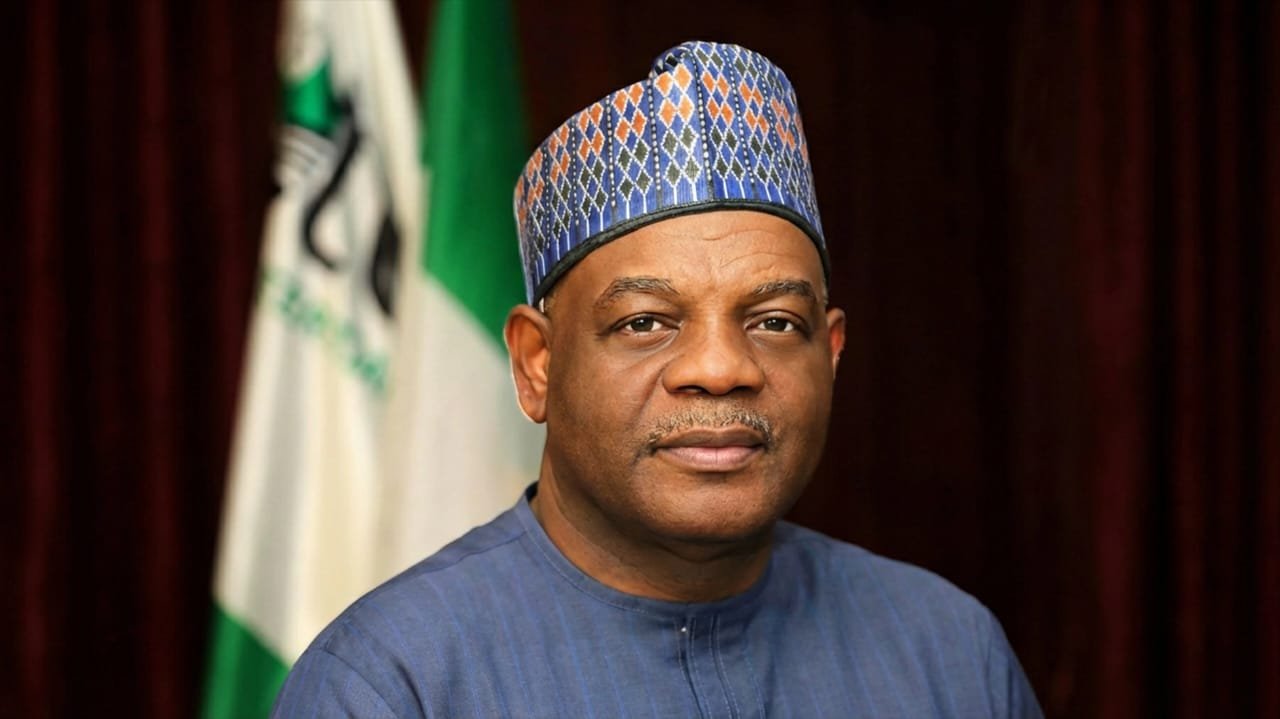
Delivering the anniversary lecture titled “Legacy of Excellence – Future of Impact” on Wednesday, the Executive Secretary of the Tertiary Education Trust Fund (TETFund) painted a compelling picture of how research and innovation could transform Nigeria from a resource-dependent economy to a knowledge-driven powerhouse.
The event, which drew academics, researchers, and students from across the university’s 15 Faculties and 118 Departments, was more than a ceremonial address. It was a clarion call for Nigerian universities to bridge the longstanding gap between academic research and societal impact.
“Research creates knowledge, while innovation turns that knowledge into practical and useful results. Without research, innovation lacks depth and lasting value, while without innovation, research findings may remain in libraries and journals, with little real impact on society,” the TETFund chief declared to a rapt audience.
The TETFund Revolution
In a revealing disclosure, the audience learned that TETFund has transformed from a physical infrastructure intervention agency into major force funding cutting-edge research. Key highlights included:
· 55 prototypes produced under the TETFAIR programme, including a self-programmable, affordable hearing aid suitable for the African market—a innovation that earned international recognition at an Israeli medical conference.
· 168 prototypes from the Research for Impact (R4i) programme, which has trained 873 lecturers since 2022.
· 30 Centres of Excellence established across beneficiary institutions, with OAU proudly hosting two of them.
· Six Multipurpose Zonal Laboratories at various completion stages, designed to end Nigerian researchers’ dependence on overseas institutions for complex “benchwork.”
The lecture did not shy away from hard truths. The TETFund Executive Secretary identified critical obstacles: Nigeria spends less than 1% of GDP on research and development (UNESCO, 2022), far below global standards. He lamented weak university-industry linkages, brain drain, inadequate infrastructure, and poor commercialization culture.
“Many research outcomes with the potential to address societal challenges often remain in libraries, conference proceedings, and academic journals, rather than being developed into products, policies, or technologies that benefit society,” he observed.
Earlier in the lecture, the TETFund chief paid glowing tribute to the university’s founding fathers and successive Vice Chancellors for sustaining Great Ife’s legacy as “Africa’s foremost centre of learning.” He specifically commended the current Vice Chancellor, Professor Adebayo Simeon Bamire, for “bringing a unique combination of intellectual prowess and administrative experience to bear in the administration of the university.”
The university, established in 1961 as the University of Ife by the Western Nigeria Regional Government and renamed in 1987 after Chief Obafemi Awolowo, has grown from five faculties to 15, serving over 32,000 students across disciplines ranging from humanities to medical sciences and engineering.
Read Also: Police step up vigilance against thuggery in Yobe
As the lecture concluded, the message was unambiguous: Nigeria’s sustainable development depends on leveraging knowledge, innovation, and technology to grow the national economy, create jobs, and improve citizens’ well-being.
The TETFund Executive Secretary announced strategic partnerships with global institutions in the UK, USA, Germany, France, Brazil, and Malaysia, including a recent Memorandum of Understanding with the United Nations Development Programme (UNDP) for operationalizing innovation hubs across Nigeria.
He reserved special appreciation for President Bola Ahmed Tinubu, declaring: “The education family will be eternally grateful to President Bola Ahmed Tinubu for his laser-beam focus on this endeavour.”
As Great Ife celebrates 65 years of excellence, the lecture’s challenge echoes: Will Nigeria’s research future match its academic legacy? The answer, it appears, is being written in TETFund’s laboratories, innovation hubs, and the determined minds of Nigerian scholars.
The 65th anniversary celebration continues, but the conversation has irrevocably shifted—from what Nigerian universities have achieved to what they must yet become.
Adagher Tersoo.
