
Tinubu’s reforms drive strong corporate earnings, Presidency says

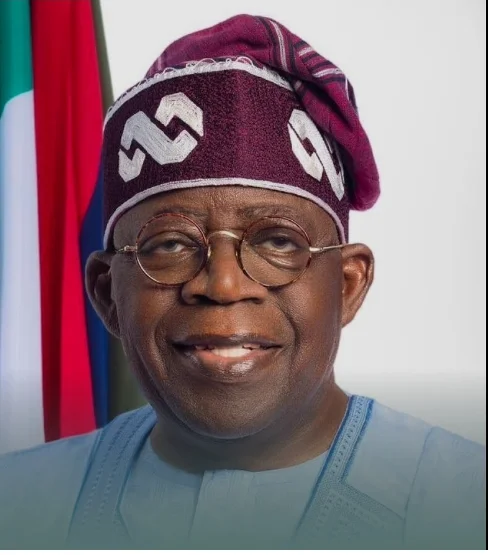
Tinubu’s reforms drive strong corporate earnings, Presidency says
The Presidency says the strong financial performance recorded by many companies listed on the Nigerian Exchange in the first half of 2026 reflects key economic reforms implemented by President Bola Tinubu’s administration.
This is contained in a statement by Presidential Spokesperson, Mr Bayo Onanuga, on Wednesday in Abuja.
According to Onanuga, one of the most significant reforms was the unification of the foreign exchange market, which established a single market-determined exchange rate.
The presidency said the policy improved price discovery and enabled firms with substantial foreign currency exposure to more accurately reflect the value of their dollar-denominated revenues.
It noted that export-oriented and foreign exchange-earning firms such as Aradel Holdings and Seplat Energy particularly benefited from the reform.
The presidency said the administration further strengthened investor confidence in the energy sector through the approval of major upstream oil and gas transactions.
Among the approvals were the Renaissance Africa Energy consortium’s acquisition of Shell Petroleum Development Company (SPDC) assets and Seplat Energy’s acquisition of Mobil Producing Nigeria Unlimited (MPNU) assets.
According to the presidency, the transactions expanded reserves, increased production capacity and enhanced the long-term growth prospects of the affected companies.
It said the approvals also reduced regulatory uncertainty and deepened indigenous participation in the petroleum sector.
It added that Tinubu’s approval of naira payments for crude oil had supported local refining and contributed to the emergence of the Dangote Refinery as a net exporter of Premium Motor Spirit (PMS) and aviation fuel.
The presidency said manufacturing and industrial firms also benefited from improved access to foreign exchange and a more predictable currency market.
It listed companies such as Dangote Cement, BUA Cement and HBM, formerly Lafarge Africa, as beneficiaries of the improved operating environment.
According to it, better foreign exchange availability reduced operational bottlenecks, strengthened supply-chain planning and supported higher production volumes.
Read Also: NADF begins training for 4,000 tractor operators
The presidency also attributed improved corporate performance to the removal of the petrol subsidy, which it said enhanced government finances and reinforced macroeconomic stability.
It noted that increased fiscal capacity had boosted infrastructure investment, improved revenue mobilisation and strengthened investor confidence.
It also said that tighter monetary management, banking sector recapitalisation and ongoing financial sector reforms had further improved the business environment.
The presidency added that exchange-rate stability, moderating inflationary pressures and improved liquidity conditions had enabled firms to make long-term investment decisions with greater certainty.
The presidency said ongoing tax reforms aimed at simplifying administration and broadening the revenue base had also reduced structural inefficiencies.
It said the combination of these reforms had improved market efficiency, strengthened macroeconomic stability and enhanced capital allocation.
It said the substantial increases in revenue and earnings before tax recorded by many listed firms were evidence of the positive impact of the administration’s reform agenda.
The presidency added that the results demonstrated how comprehensive structural reforms could translate into measurable improvements in corporate performance and broader economic growth.
