
Uniabuja 55th Inaugural Lecture Charts New Course for Nigeria’s fish Industry

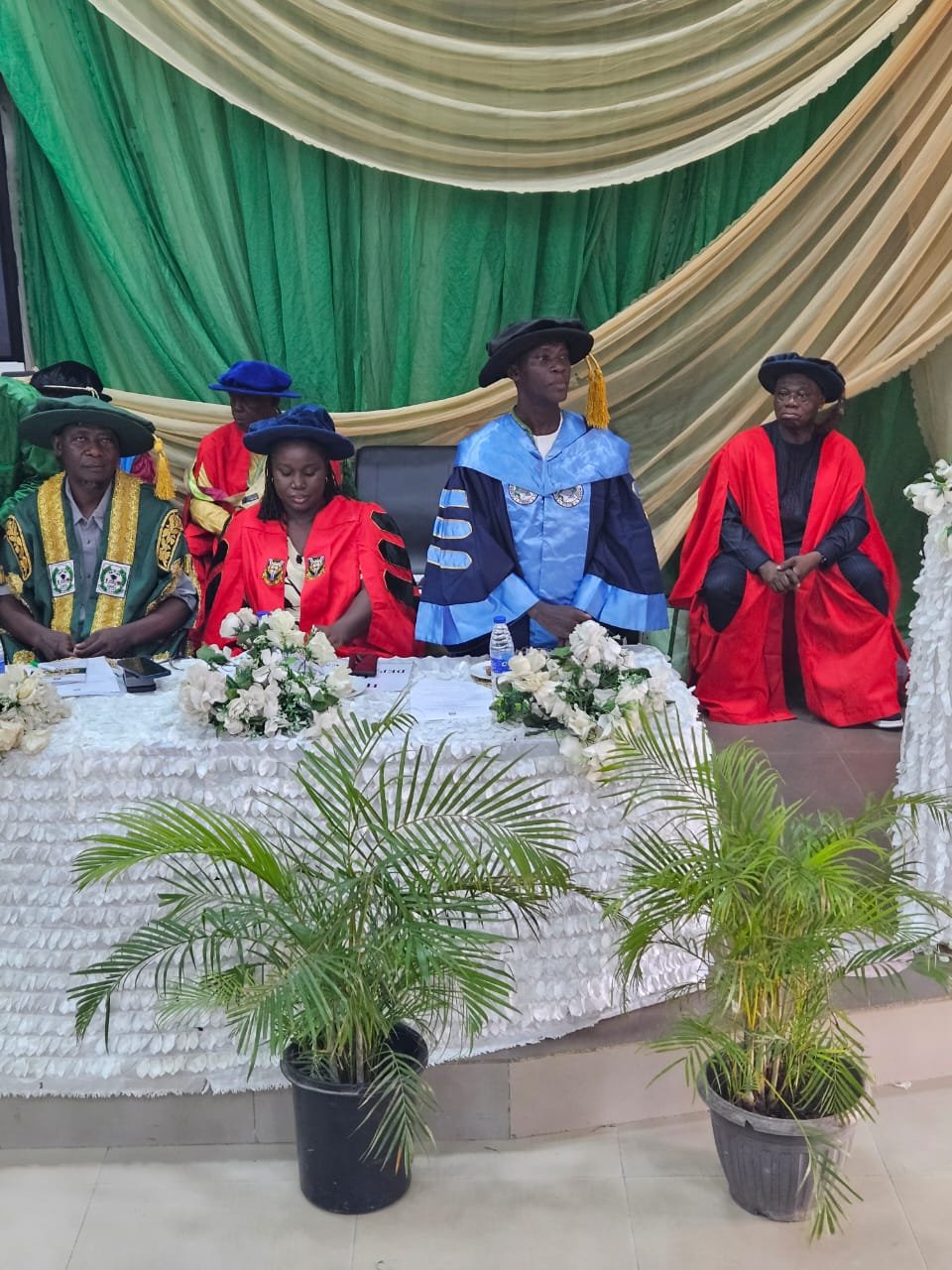
Uniabuja 55th Inaugural Lecture Charts New Course for Nigeria’s fish Industry
By Adagher Tersoo
Nigeria’s growing food security challenges have renewed the urgency of developing sustainable domestic agricultural production systems capable of meeting the nutritional needs of its population while reducing dependence on imported food products. In this regard, fisheries and aquaculture are emerging as important components of the country’s agricultural diversification agenda. This was the central message of the 55th Inaugural Lecture of the University of Abuja, which examined how research, innovation and modern production technologies could unlock Nigeria’s enormous fish production potential.
Delivered by Professor Abdullahi Mohammad Orire, the lecture, titled “Accelerated Fish Production for Food Security: Feed and System Technologies to the Rescue,” brought attention to the critical relationship between fish-feed innovation, improved farming systems and increased domestic fish production. Beyond its academic significance, the lecture presented a compelling argument for repositioning aquaculture as a strategic national investment capable of strengthening food security, creating employment and expanding economic opportunities.
At a time when the rising cost of food continues to place pressure on household incomes, the importance of affordable and accessible sources of animal protein cannot be overstated. Fish remains an essential component of the Nigerian diet, providing valuable nutrients while supporting the livelihoods of millions of people engaged in fishing, farming, processing, transportation and marketing. However, the challenge of meeting domestic demand makes it necessary to explore more efficient production methods and reduce the country’s exposure to imported fish supplies. Orire’s intervention therefore places aquaculture within a broader conversation about food affordability, nutrition and national economic resilience.
One of the major issues highlighted by the lecture is the role of fish-feed technology in determining the productivity and profitability of fish farming. Feed represents a significant proportion of aquaculture production costs, making its availability, quality and affordability critical to the growth of the industry. Nigeria’s ability to develop locally sourced feed ingredients, improve feed formulation and adopt appropriate processing technologies could substantially reduce production expenses while improving fish growth and output. Such innovations would not only benefit existing fish farmers but could also encourage more entrepreneurs to invest in commercial aquaculture.
Equally important is the need to modernise fish production systems through improved hatchery management, water-quality monitoring, stocking practices, disease control and other technology-driven interventions. The transition from fragmented, predominantly small-scale operations to more efficient and commercially sustainable production models requires access to technical knowledge, appropriate equipment and reliable extension services. These improvements could help farmers minimise production losses, increase yields and achieve better returns on investment. The lecture thus reinforces the need to bridge the gap between scientific research and the practical realities of fish farming.
The economic opportunities associated with an expanded aquaculture industry are considerable. Beyond the production of fish itself, a stronger domestic industry could stimulate growth across several interconnected sectors, including fish-feed manufacturing, hatchery operations, processing, cold-chain logistics, transportation and marketing. It could also provide opportunities for young Nigerians to establish viable agricultural enterprises and participate in an industry with considerable potential for expansion. However, realising these opportunities requires supportive government policies, affordable financing, improved infrastructure, reliable electricity, quality fingerlings and stronger partnerships between research institutions and private-sector investors.
Read Also: Sokoto Govt. Seals Off ADC’s Office AheadWednesdays…
The significance of the inaugural lecture also extends to the responsibility of universities in addressing national development challenges. The Vice-Chancellor of the University of Abuja, Professor Hakeem Babatunde Fawehinmi, has continued to emphasise the importance of academic research, innovation and institutional knowledge in advancing societal development. The lecture provided an opportunity to demonstrate how specialised scholarship can contribute to addressing practical challenges confronting the country.
For the University of Abuja, the task goes beyond producing graduates and expanding academic knowledge; it includes generating research findings and technological solutions that can improve livelihoods, inform public policy and contribute to economic development.
More importantly, the lecture raises questions about how effectively Nigeria translates academic research into practical economic outcomes. Universities and research institutions continue to generate knowledge across different fields, but the benefits of such research are limited when findings fail to reach farmers, entrepreneurs, industries and policymakers. Stronger collaboration among government agencies, universities, research institutes, fish farmers and private investors is therefore necessary to commercialise locally developed technologies and encourage wider adoption of improved production methods. Such collaboration would help ensure that research moves beyond academic presentations into measurable improvements in agricultural productivity.
Ultimately, Professor Orire’s 55th Inaugural Lecture represents a timely contribution to Nigeria’s search for sustainable solutions to food insecurity. Its message goes beyond increasing fish production; it highlights the importance of making research, technology and innovation central to agricultural transformation. For the University of Abuja, the challenge is to ensure that the knowledge generated within its academic community translates into practical benefits for society. For Nigeria, the opportunity lies in transforming its aquaculture potential into increased domestic production, affordable protein, employment generation and a more resilient food security system.
