
GIZ backs gender equality for sustainable agrifood devt.

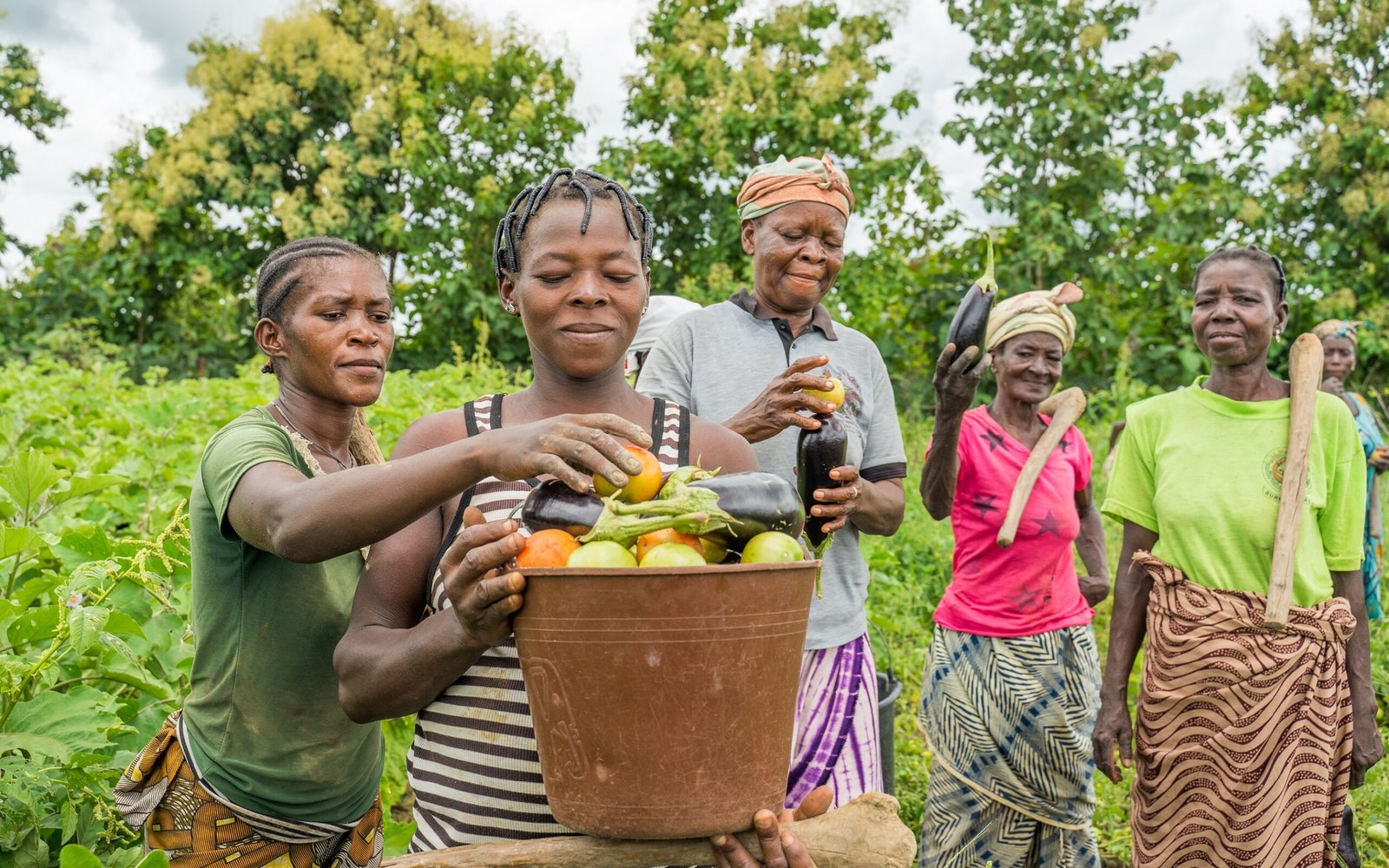
GIZ backs gender equality for sustainable agrifood devt.
German International Cooperation (GIZ) backs gender equality, saying it remains a critical driver of sustainable development, particularly in transforming Nigeria’s agrifood systems for inclusive economic growth and improved livelihoods nationwide.
The organisation said this at a stakeholders’ meeting in Abuja on Friday following the unveiling of the Revised National Gender Policy on Agrifood Systems Transformation and its 2025–2030 Strategic Plan of Action.
GIZ Country Director, Adele Bello, said closing gender gaps in agriculture delivered measurable economic benefits by improving productivity, incomes and access to resources such as land, finance, inputs and markets for all stakeholders.
Bello said the policy and its strategic plan reflected a strong commitment to change, emphasising that successful implementation remained essential for translating frameworks into real improvements in the lives of people at grassroots level.
Read Also: Association treats 2,500 indigents in Ilorin outreach
She said policies only made meaningful impact when properly implemented, adding that GIZ remained committed to working with partners, civil society and the private sector to strengthen systems and support evidence-based decision-making.
Bello expressed confidence that sustained collaboration would enhance gender equality, improve food security, expand economic opportunities and support sustainable development across Nigeria’s agrifood systems in line with national and global priorities.
The 2025–2030 Revised National Gender Policy provides a framework for inclusive, equitable and sustainable agrifood systems transformation aligned with United Nations goals on resilient, nutrition-sensitive and gender-responsive food systems globally.
It also aligns with continental priorities aimed at ensuring no one is left behind in achieving the Sustainable Development Goals through strengthened inclusion, equity and long-term agricultural sector transformation across Nigeria.
