
Expert urges early treatment as river blindness threatens vision

Expert urges early treatment as river blindness threatens vision
Dr Chinonso Egemba, popularly known as Aproko Doctor, has urged Nigerians to seek medical attention for persistent itching and other symptoms of onchocerciasis.
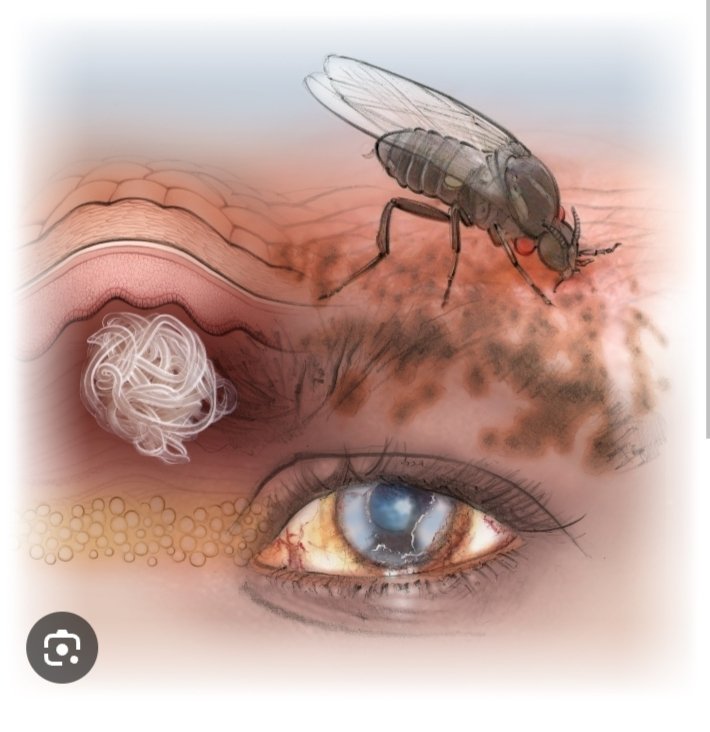
Onchocerciasis, commonly known as river blindness, is a parasitic disease transmitted through the bites of infected blackflies, which commonly breed around fast-flowing rivers.
Egemba gave the advice in a post shared on his YouTube page on Wednesday, warning that untreated onchocerciasis could affect the eyes and eventually cause permanent blindness.
He said people living in communities close to rivers were particularly at risk of contracting the disease and should remain alert to its symptoms.
According to him, persistent itching was one of the early signs of the disease and could initially be mistaken for mosquito bites, heat rash or minor skin irritation.
Egemba said the itching could worsen and was often noticed around the legs, back and other exposed parts of the body.
He urged people to watch out for patches of skin that become thickened or lose their normal colour, saying such changes could indicate the disease.
He added that small lumps developing beneath the skin were another symptom that should not be ignored, particularly by people living near rivers.
According to him, changes in vision, including pain and swelling around the eyes, could indicate that the parasite had begun affecting the eyes.
Egemba advised people experiencing persistent itching, skin changes, lumps or vision changes to consult a medical doctor for proper examination and treatment.
Read Also: 41 UniPods to drive Nigeria’s knowledge economy – Alausa
He said the parasite could remain in the human body for as many as 15 years, making continuous treatment important in communities affected by the disease.
He noted that Nigeria had made progress in controlling onchocerciasis through community-based treatment programmes using ivermectin.
Egemba, however, stressed the need for eligible residents in affected communities to continue participating in treatment programmes to prevent transmission and progression of the disease.
He encouraged residents to accept ivermectin when administered by Community Health Extension Workers, noting that the treatment was provided free of charge.
He said early detection and treatment remained important in preventing complications, particularly damage to the eyes and eventual blindness.
Egemba urged Nigerians not to dismiss persistent itching or unusual skin and eye changes, stressing that early action could help protect their vision.
“Don’t let the fly that you cannot see steal your vision,” he advised.
