
Africa must connect payment systems to unlock cross-border trade – Gates Foundation

Africa must connect payment systems to unlock cross-border trade – Gates Foundation
Gates Foundation has urged African countries to connect their instant payment systems(IPS), to facilitate cross-border trade and accelerate regional economic integration under the African Continental Free Trade Area.
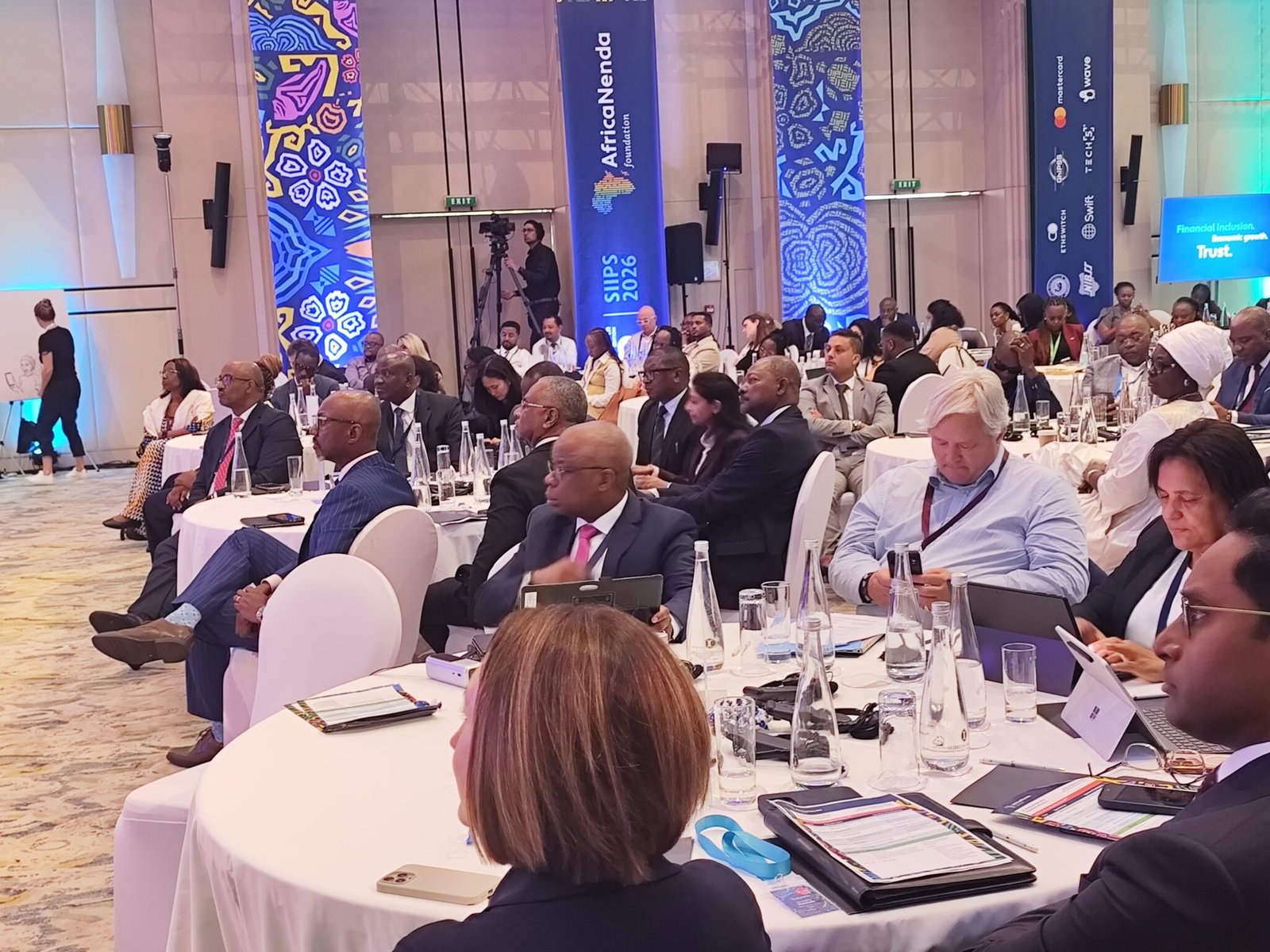
Director of Economic Opportunity at the Gates Foundation, Enock Chikava, made the call at the launch of the 2026 State of Inclusive Instant Payment Systems in Africa Report by the AfricaNenda Foundation in Balaclava, Mauritius.
Delivering the keynote address on Thursday in Balaclava, Mauritius, Chikava said the continent’s growing movement of goods and people required payment systems that could facilitate seamless transactions across national borders.
“Goods and people are beginning to move freely across this continent, and the money must move with them.
“This is the promise of the Africa Continental Free Trade Area, as we all know,” he said.
He cited a farmer in Zambia selling maize to a buyer in Kenya and receiving payment instantly in her local currency as an example of the economic integration digital payment infrastructure should facilitate.
Chikava said interoperable payment systems, digital identity and data-sharing infrastructure could reduce the cost of moving money and information, while connecting businesses across national borders.
He, however, said instant payments should go beyond facilitating transactions to create economic opportunities by linking users to credit, insurance and markets.
“But being paid instantly is not the end goal. It is the beginning.
“The goal is what this woman, Fatima, does next. Maybe it is to invest in a second stall. Maybe it is to buy cold storage.
“Maybe it is the young people she hires, or the school fees she pays without selling a goat or a cow,” he said.
Chikava said digital transaction records could help small businesses establish financial histories and demonstrate their economic activities to lenders.
“A payment system is the foundation. It speeds up cash. It builds the financial records that can become a first loan. It lowers the cost of trade. These are the building blocks of income growth and business expansion,” he said.
He identified agriculture as a critical sector for digital transformation, saying investment in it could significantly improve livelihoods and reduce poverty.
Chikava said digital public infrastructure could help farmers access markets, financial services and information, while artificial intelligence could provide smallholder farmers with advice on seeds, weather, prices and credit in local languages.
Earlier in his opening remarks,Chief Executive Officer of AfricaNenda, Dr Robert Ochola, said the organisation was exploring ways to use digital payment records to improve farmers’ access to credit.
Ochola said AfricaNenda had begun working with an African university on a pilot involving cotton farmers to facilitate access to credit through instant payment systems.
He said the organisation was also exploring behavioural credit-scoring models in Rwanda using digital transactions involving more than two million farmers.
“This is only possible when you have robust digital public infrastructure stack embedded within an IPS,” he said.
Ochola said digital payment infrastructure could also support governments in paying community health workers more efficiently and help small businesses demonstrate their economic activities to potential lenders.
Chikava said Africa’s digital transformation required governments, central banks, regulators, financial institutions and payment providers to work together to build affordable, accessible, trusted and interoperable systems.
Read Also: Architect of Resilience and Transformation: Celebrating Governor…
“Our shared ambition is that every country in Africa has an inclusive instant payment system live or in development by 2030,” he said.
He said the ultimate measure of success should be improved incomes, business growth and economic opportunities for women and other underserved populations.
In her address of welcome, Governor of the Bank of Mauritius, Dr Priscilla Thakoor,
also called for greater connectivity between African payment systems, saying the next phase of digital financial transformation should focus on regional and continental integration.
“For this conference, I would frame the challenge in one question: How do we build an African payments landscape in which money can move across our economies as safely, efficiently, and seamlessly as information does today?” she asked.
Thakoor identified three priorities for Africa’s payment ecosystem: meaningful usage of financial services, cross-border connectivity and integration of national systems with regional and continental infrastructure.
She said consumers and businesses should be able to make transactions reliably, affordably and securely without needing to understand the technical infrastructure behind payment systems.
“Without that alignment, there is a risk that the fragmentation of our markets will simply be reproduced in digital form,” she said.
Thakoor said cross-border payment connectivity required common standards, robust governance, sound settlement arrangements, effective consumer protection and closer regulatory cooperation.
She cited the Common Market for Eastern and Southern Africa’s Regional Payment and Settlement System, the Southern African Development Community’s real-time gross settlement system and Afreximbank’s Pan-African Payment and Settlement System as important foundations for continental integration.
The governor said the systems should complement one another rather than operate as parallel infrastructures.
She called for practical outcomes within the next two to three years, including faster and cheaper payment corridors, convergence of technical and regulatory standards and connections between existing infrastructures.
“Success should ultimately be measured not by the sophistication of the infrastructure itself, but by something much simpler: whether an individual or a business can make a payment across an African border with the same confidence and ease with which we make a payment at home,” she said.
