
Foundation urges Yobe religious leaders to promote immunisation

Foundation urges Yobe religious leaders to promote immunisation
The Sultan Foundation for Peace and Development has urged religious leaders in Yobe to intensify public enlightenment on polio vaccination and routine immunisation to protect children against vaccine-preventable diseases.
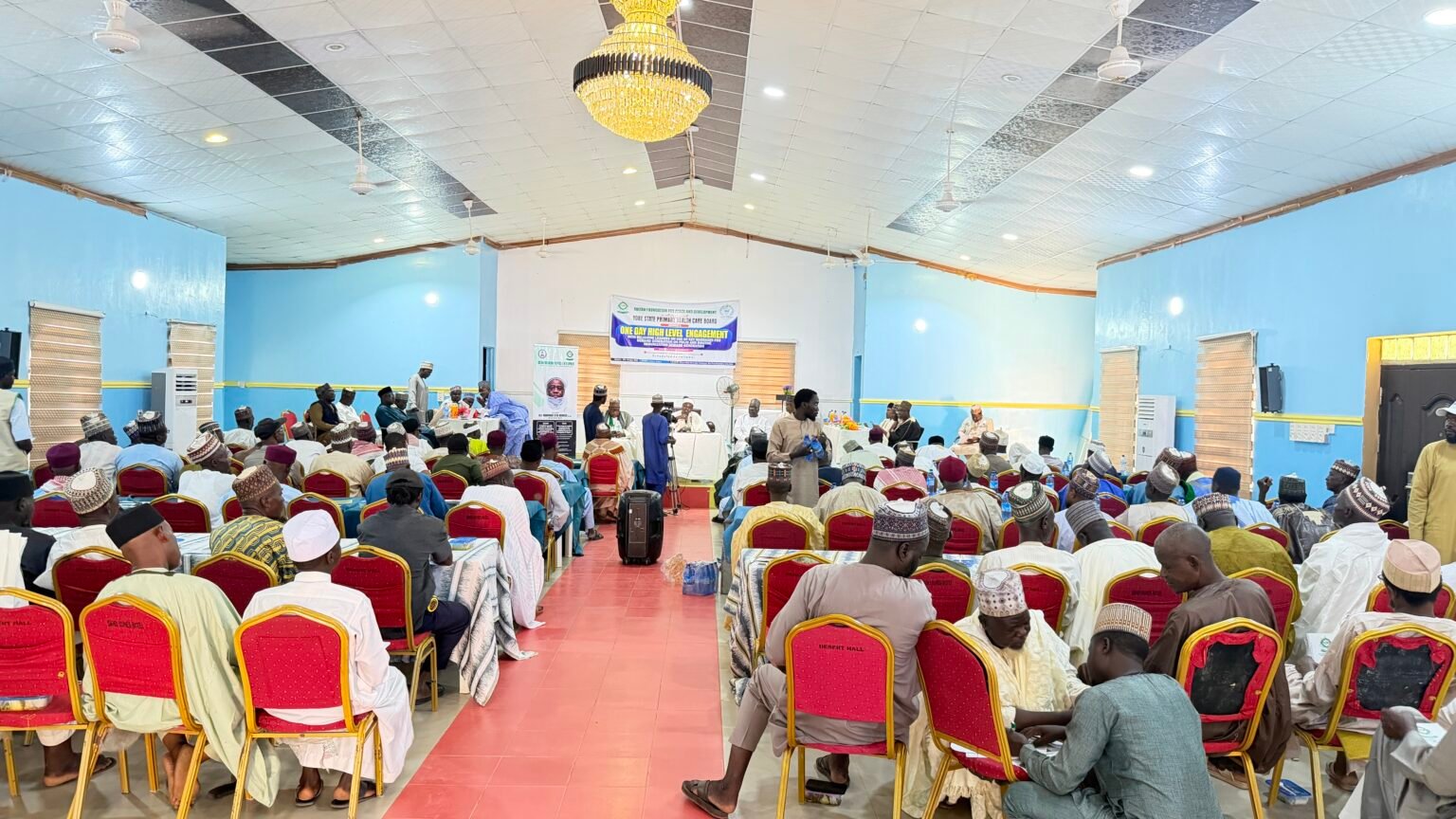
Malam Aminu Danmalam, Programme Adviser of the foundation, made the call at a one-day engagement with Christian and Muslim religious leaders on polio and routine immunisation in Damaturu on Tuesday.
Danmalam said the engagement aimed to equip religious leaders with accurate information to educate their followers through sermons, religious gatherings and other community activities.
He said the initiative was particularly important ahead of the planned November Supplementary Immunisation Activities (SIA), aimed at strengthening efforts to curb the spread of circulating variant poliovirus in the state.
According to him, three local government areas in Yobe had been affected by circulating variant poliovirus, requiring intensified community mobilisation and cooperation with health workers.
He expressed satisfaction with the participation of Christian and Muslim clerics, describing their contributions to discussions on polio eradication as encouraging.
Danmalam said religious leaders were essential to addressing misconceptions about vaccination and strengthening public confidence in immunisation programmes.
Also speaking, Ahmed Mustapha, Programme Officer of the foundation in Yobe, said religious and traditional leaders were critical stakeholders in public health interventions because of the trust their communities placed in them.
Mustapha said the foundation organised the engagement to build religious leaders’ capacity and strengthen collaboration with them in promoting polio eradication and improving primary healthcare delivery.
He explained that religious leaders could influence public attitudes and encourage parents and caregivers to accept vaccination and other essential healthcare services.
Mustapha added that sustained collaboration with community leaders was necessary to achieve lasting improvements in public health, particularly in northern Nigeria, where their influence remained significant.
In his remarks, Dr Babagana Machina, Executive Secretary of the Yobe State Primary Healthcare Management Board, said the state had recorded an increase in some vaccine-preventable diseases, including poliomyelitis, diphtheria and measles.
Machina, represented by Dr Umar Chiroma, said the development made it necessary to strengthen public awareness and encourage religious leaders to disseminate accurate health information to households.
He urged parents and caregivers to take their children to health facilities for routine immunisation and cooperate with vaccination teams during house-to-house polio campaigns.
He said religious leaders should incorporate information from the engagement into their sermons and other religious activities, using relevant teachings from the Holy Quran and Bible to encourage vaccination.
Machina said protecting children against preventable diseases was a shared responsibility, adding that healthy children were better positioned to learn, develop and contribute to society.
Earlier, the Emir of Bade, Alhaji Abubakar Sulaiman, called on traditional rulers, Islamic scholars and other religious leaders to intensify public awareness campaigns on vaccination.
The emir urged participants to counter misinformation about vaccines and encourage parents to ensure their children received recommended immunisations.
He said traditional institutions and religious leaders had contributed significantly to Nigeria’s polio eradication efforts.
Sulaiman recalled that the involvement of traditional rulers in vaccination campaigns had helped reduce reported polio cases from nearly 1,000 to fewer than 200 during an earlier phase of the programme.
Read Also: 2nd Cycling Kano Set for December 12, as Organizers Unveil…
He emphasised the need for sustained collaboration among government agencies, traditional institutions, religious leaders and development partners to reach communities where misconceptions and resistance continued to affect vaccination efforts.
Sulaiman dismissed claims that vaccines caused infertility, describing such allegations as propaganda capable of undermining public confidence in immunisation.
He urged imams and other religious leaders to use sermons, particularly Friday prayers, to educate their followers on the importance of vaccination and encourage cooperation with health workers.
The emir also said immunisation services were provided free of charge through supported programmes, with contributions from international organisations and development partners.
He expressed optimism that stronger community participation and sustained public enlightenment would help address remaining challenges in the fight against polio and other vaccine-preventable diseases.
The engagement brought together Christian and Muslim religious leaders to strengthen advocacy and community mobilisation for polio eradication and routine immunisation in Yobe.
