
National Gallery of Art urges investment in children’s creative talents

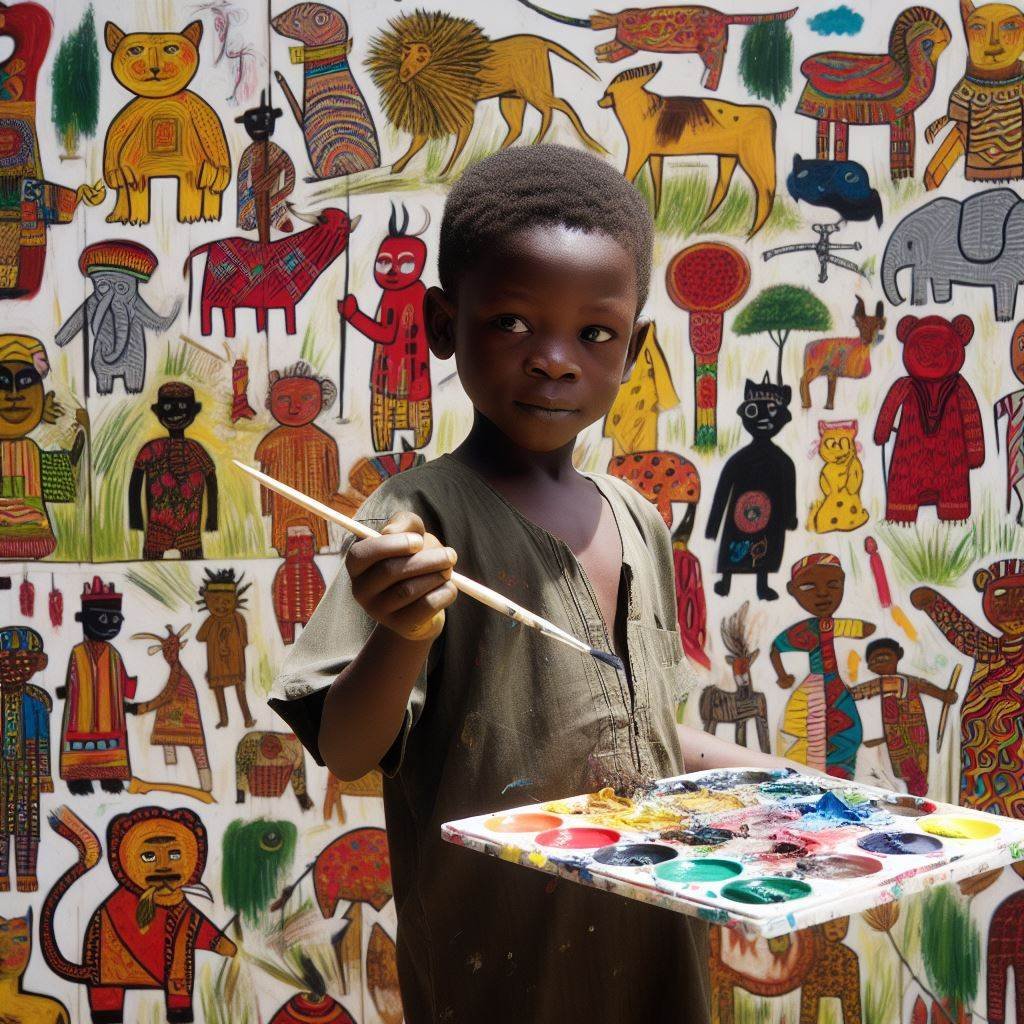
National Gallery of Art urges investment in children’s creative talents
The National Gallery of Art (NGA) urges more investment in children’s creative talents to keep them away from social vices and contribute to nation-building.
Easter Evbodaghe, Curator and Head, NGA, Lagos Station, made the call during the agency’s annual Children in Art Talent Hunt on Tuesday in Lagos.
Voice Media Trust (VMT NEWS) reports that the Children in Art Talent Hunt, organised as part of activities marking Children’s Day, is an annual initiative designed to nurture creativity, promote cultural awareness and encourage artistic excellence among Nigerian children.
The event, themed “The Power of Imagination: Creativity in the Eyes of the Nigerian Child,” brought together talented pupils from primary and secondary schools across Lagos State.
Speaking on the sidelines of the programme, Evbodaghe told NAN the initiative was created to discover, support and develop young artistic talents, as National Gallery of Art urges…. greater support for creative development among children through art and cultural education.
“The purpose of this programme is to nurture the creativity of children so that they can eventually embrace art either as a profession or as a hobby.
“We believe that every child has an innate ability to do something creative and, as a federal government institution, we are committed to ensuring that this aspect of our cultural heritage is preserved and promoted,” he said.
He noted that the programme covered painting, sculpture, textiles, graphics and other artistic disciplines, with entries to be assessed by a panel of judges.
According to him, no fewer than 30 schools from different parts of Lagos State participated in the event, with each school presenting between 10 and 20 students, while some also showcased cultural performances, including drama and dance.
Speaking on the importance of art in child development, the curator said artistic activities were powerful tools for education, orientation and social re-engineering.
He said visual arts, drama and other creative expressions could positively engage children mentally and emotionally, while helping to discourage involvement in social vices.
Evbodaghe, however, identified societal attitudes toward art as a major challenge facing young artists in Nigeria.
According to him, many parents still discourage children from pursuing careers in the arts, while society often fails to accord artists the recognition they deserve.
He also cited a shortage of qualified art teachers in schools and the high cost of art materials as significant obstacles to talent development.
“There are schools today without a single art teacher.
“Many trained teachers have left the profession due to poor remuneration and inadequate motivation.
“Also, art materials and tools are expensive, making it difficult for many children to fully develop their talents,” he said.
Evbodaghe further identified inadequate funding as one of the major challenges affecting the implementation and expansion of the gallery’s programmes.
Read Also: Airtel Africa strengthens shareholder value with 10% weekly…
He urged participants to express their ideas and aspirations through various art forms.
Also, the Director-General of NGA, Mr Ahmed Sodangi, urged parents, educators and policymakers to pay more attention to children’s creative development.
“When children are encouraged and supported, they remain focused and productive.
“When creativity is neglected, many young people may become vulnerable to negative influences,” he said.
Sodangi was represented by the South-West Zonal Coordinator, Babalola Oladipo-Adetayo.
He appreciated Cypher X and other sponsors for their support in ensuring the success of the programme.
Sodangi added that imagination was the foundation of innovation, creativity and national progress.
He said every great invention, artistic creation and scientific breakthrough began with the courage to imagine possibilities beyond existing realities.
“At the NGA, we believe that creativity is one of the greatest treasures of our nation.
“Art begins with imagination and creativity is born when we find ways to express what we see in our minds and hearts.
“Nowhere is this creativity more vibrant and inspiring than in the eyes of a Nigerian child,” he said.
He noted that Nigerian children continually demonstrated creativity through drawing, painting, storytelling, dance, music and crafts, reflecting the resilience, diversity and brilliance of the nation’s creative spirit.
According to him, creativity should not be viewed as separate from education but as an essential component that promotes confidence, innovation, empathy, discipline and critical thinking.
He also urged parents, teachers, policymakers and communities to create enabling environments for children to explore art, culture and technology.
Sodangi further urged the participants to continue dreaming, creating and believing in themselves, assuring them that their ideas and aspirations mattered.
Veteran actor and comedian, Abiodun Ayoyinka, popularly known as Papa Ajasco, called on parents to pay closer attention to the creative talents of their children and encourage their artistic development from an early age.
Ayoyinka said children had always played a significant role in his career and remained close to his heart.
According to him, many talents can be discovered when parents observe and support children’s natural interests and creative expressions.
“Whenever you see your child drawing, moulding objects with sand, playing with wires or creating things, encourage them because that may be their talent.
“Sometimes, when children are playing with paper and pen, parents should pay attention because they may be expressing a gift that can shape their future,” he said.
The actor also urged parents to combine modern technological advancements with the cultural and moral values that shaped previous generations.
He also expressed concern that some children were growing up without adequate guidance on values such as respect, proper conduct and cultural identity.
