
Pay attention to sleep patterns, hormonal changes, overall wellbeing — Experts


Pay attention to sleep patterns, hormonal changes, overall wellbeing — Experts
Medical experts have urged women to seek timely medical attention when they notice changes in their menstrual cycles, sleep patterns, weight, and overall wellbeing, particularly during perimenopause and menopause.
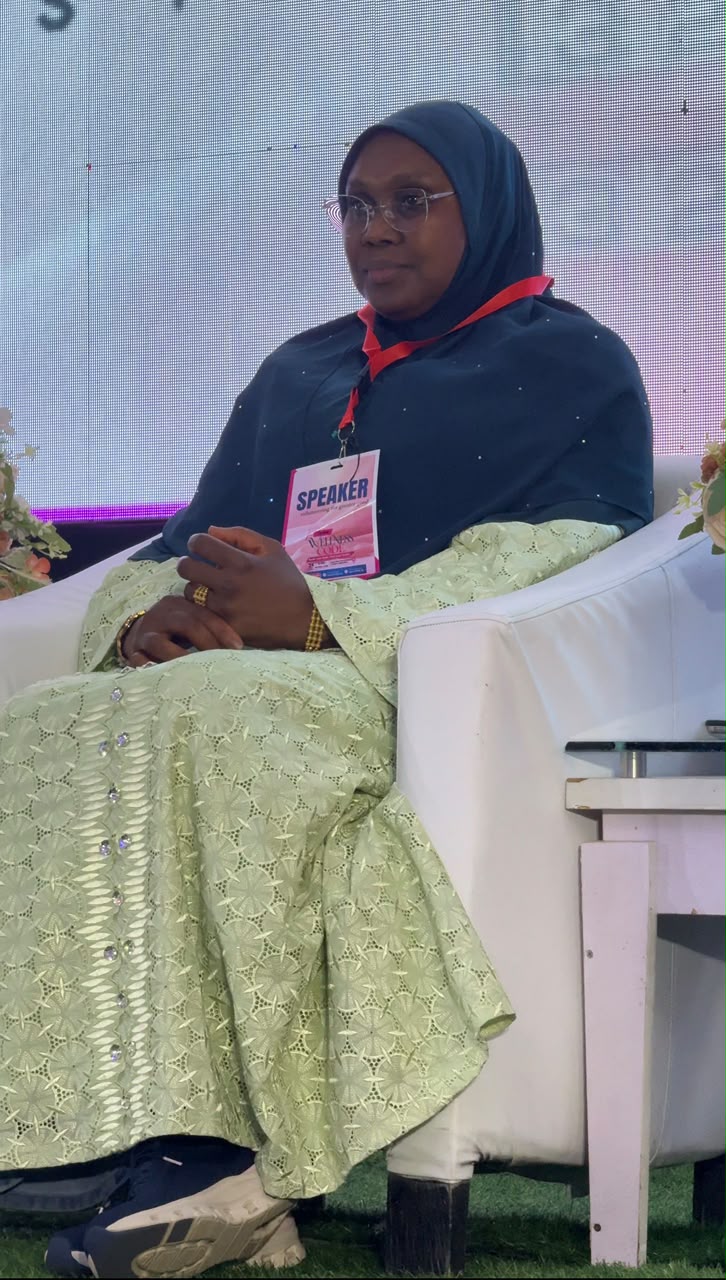
They gave the advice during the 7.0 Edition of the Muslimah Health Forum on Saturday in Lagos.
The experts spoke during a panel session titled, “The Exhausted Woman, Stress, Fatigue and Mental Overload”.
Dr Fatimah Habeebu-Adeyemi, a Consultant Obstetrician and Gynecologist, explained that declining oestrogen levels as women approached menopause can trigger several physical and emotional changes.
She listed the changes to include irregular menstrual periods, weight redistribution, sleep difficulties, and memory lapses.
According to her, the transition, known as perimenopause, occurred at different ages and affected women differently, with some experiencing mild symptoms, while others required medical intervention.
She added that women approaching their 40s should pay attention to changes in their bodies, rather than assuming they were simply experiencing stress or becoming less physically active.
She encouraged women experiencing persistent or disruptive symptoms to consult a gynaecologist for appropriate assessment and individualised care.
Habeebu-Adeyemi explained that menopause was generally established after a woman had gone 12 consecutive months without menstruation.
She, however, warned that any bleeding after menopause required prompt medical evaluation, as it could indicate an underlying condition, including cancer.
The expert advised women against ignoring postmenopausal bleeding, stressing the importance of identifying its cause before deciding on treatment.
Dr Folasade Olalare, a fertility and reproductive medicine specialist, challenged the misconception that women diagnosed with Polyendocrine Metabolic Ovarian Syndrome (PMOS) could not have children.
Read Also: Catholic Church launches initiative to promote good governance,…
She explained that PMOS was a hormonal condition that could interfere with ovulation, making conception difficult for some women, but did not automatically mean infertility.
According to her, many women with the condition conceive and give birth, while others may require medical assistance to stimulate ovulation.
Olalare noted that the condition could also present physical signs associated with elevated oestrogen levels, including excessive facial hair growth.
She urged women to seek proper medical assessment rather than rely on information circulating on social media, where PMOS was sometimes presented as an automatic barrier to motherhood.
The physician added that irregular menstrual cycles and weight changes could have different underlying causes, including hormonal imbalances and PMOS, making professional evaluation important.
Also speaking, a Physiotherapist, Mrs Kameelah Adebisi, urged women to acknowledge the physical changes that come with ageing and adjust their lifestyles accordingly, rather than pushing their bodies beyond their capacity.
She said changes in joint function, bone density, body composition and physical endurance could affect women at different stages of life.
Adebisi explained that healthy ageing required more than dieting and exercising, urging women to pay attention to their general well-being, medication use, daily activities and other lifestyle factors.
She encouraged women to assess their progress by considering improvements in their mobility, energy levels and overall health rather than relying solely on changes in body weight.
The panelists also addressed concerns about prolonged menstrual bleeding and spotting after menstruation, emphasising the importance of understanding the different stages of women’s reproductive lives.
The experts added that while many of these changes are a natural part of ageing, recognising unusual symptoms and seeking professional evaluation can help women manage discomfort, protect their health and maintain their quality of life.
They encouraged women to ask questions, seek reliable medical information and obtain appropriate care when symptoms arise.
The panelists emphasised that increased awareness of hormonal changes, fertility and healthy ageing could help women make informed decisions about their health and improve their quality of life.
Similarly, Aisha Adams of the Lagos State Secretariat Central Mosque Women Committee said in her opening remarks that this year’s Muslimah Health Forum theme is timely and important.
She said the theme, “The Wellness Code: Know Your Body, Own Your Health”, reminds Muslim women that caring for their health remains a responsibility and an honour never to neglect.
”Most of the time we take care of every other person, but forget ourselves, so it’s a good reminder, coming at the right time”, she said.
She added that God encourages women to care for their bodies, seek beneficial knowledge, and take appropriate steps to preserve their well-being.
Adams added that the knowledge gained from the event would benefit not only participants, but also their families and the wider community.
The Voice Media Trust (VMT NEWS) reports that the Muslimah Health Forum is an annual event organised by Bountiis Charity Initiative, an NGO, supporting Muslim women.
