
Gateway to Opportunity: How Gov. Buni’s Strategic Road Project Rescued Fika–Maluri Communities from Isolation


Gateway to Opportunity: How Gov. Buni’s Strategic Road Project Rescued Fika–Maluri Communities from Isolation
By Hannatu Lot
For generations, the 25-kilometer stretch of road connecting Fika to Maluri in Yobe State was far more than a geographical distance—it was a grueling, day-long battle against nature and neglect.
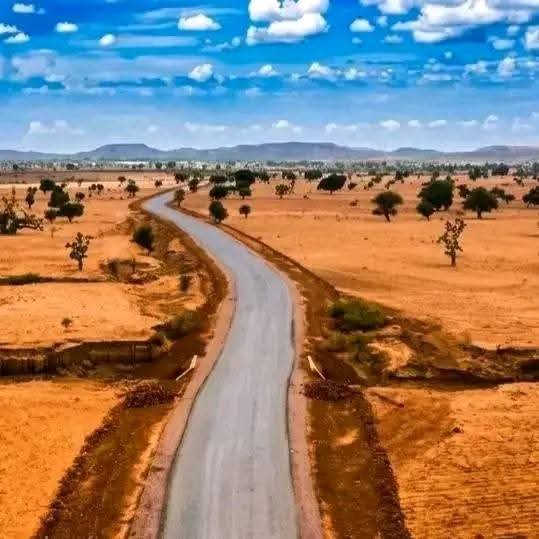
Today, that same journey takes just 20 minutes, marking a historic turning point for thousands of rural residents, thanks to a targeted infrastructure intervention by Governor Mai Mala Buni.
The Muddy Ordeal of Isolation
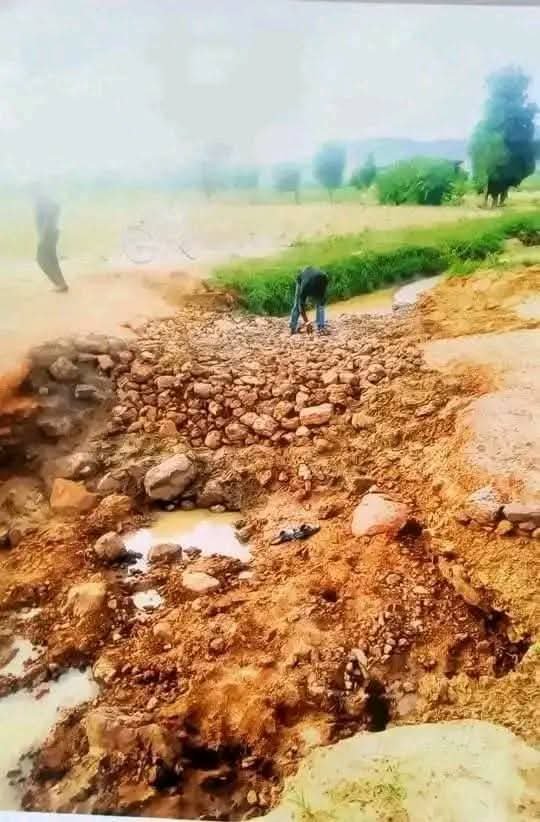
Before the recent intervention, commuting along the Fika–Maluri corridor was defined by seasonal hardship. The region’s notorious “gumbo soil”—a heavy clay that turns into a thick, sticky trap when wet—combined with deep potholes and frequent flooding to paralyze local transit during the rainy season.
Vehicles routinely became deeply embedded in the mud for hours, sometimes days. Travelers had no choice but to hire local laborers to physically pull their vehicles free using ropes and sheer human strength.
What should have been a brief trip frequently devolved into an exhausting, multi-hour ordeal that effectively severed Maluri and surrounding settlements from the rest of the local government area.
A Engineering Solution for Perennial Problems
Recognizing that superficial patches would not suffice against the area’s challenging geography, Governor Buni’s administration deployed a comprehensive engineering solution.
The state oversaw the construction of a robust 25-kilometer stone-base road designed to withstand heavy seasonal rains. To ensure long-term durability and prevent the perennial flooding that used to wash away dirt tracks, the project was paired with critical civil engineering infrastructure, including multiple bridges and major culverts.
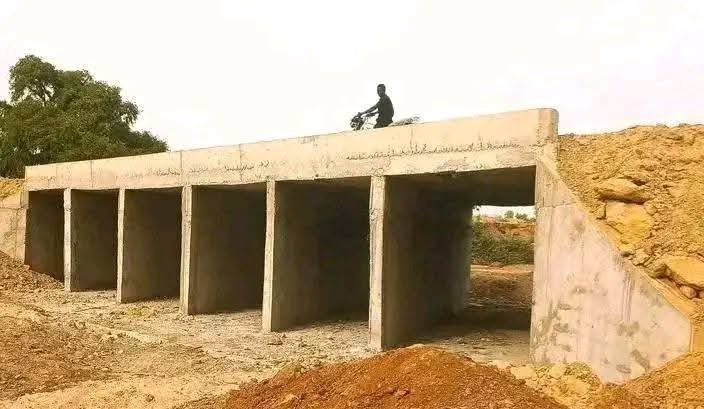
The result has been a radical compression of travel times. The journey has been slashed from an unpredictable, all-day struggle down to a smooth, reliable 20-minute drive.
The Ripple Effect: Economy, Education, and Healthcare
The true impact of the newly transformed corridor is felt far beyond the asphalt itself. By establishing a permanent, year-round link between these rural communities and larger economic hubs, the project serves as a foundational catalyst for regional development:
Agricultural Growth: Local farmers, who form the backbone of the Fika economy, can now transport their harvested crops and agricultural produce to markets swiftly and without fear of spoilage or prohibitive transport costs.
Educational Access: Students and teachers can commute safely, predictably, and comfortably, putting an end to the seasonal absenteeism that previously plagued rural schools during heavy downpours.
Emergency Healthcare:The road opens up a vital lifeline. Expectant mothers and critically ill residents can now reach healthcare facilities in minutes rather than hours, while medical supplies and emergency services can finally navigate the terrain without delay.
Read Also: PDP wins all 21 chairmanship, 226 councillorship seats in Adamawa…
Part of a Broader State-Wide Vision
The transformation of the Fika–Maluri road is not an isolated achievement; it reflects a broader policy framework by the Buni administration aimed at closing the development gap between Yobe State’s urban centers and its rural interior.
Through synchronized investments in rural roads, clean water projects, modernized schools, and upgraded healthcare facilities, the administration is working to ensure that no community is left isolated by geography.
Where motorists once navigated treacherous mud and rising floodwaters, they now enjoy a seamless commute.
For the people of Maluri and its neighboring settlements, this new infrastructure represents far more than an engineering milestone—it is a restored sense of connectivity, a boost to local livelihoods, and a permanent gateway to a more prosperous future.
