
Nigeria Making Major Reforms In Nutrition Data And Logistics Systems

Nigeria Making Major Reforms In Nutrition Data And Logistics Systems
By Ankeli Emmanuel in Abuja
The Federal Ministry of Health and Social Welfare through the Nutrition Department has maintained that the country is making commendable progress in it’s nutrition information system in view of the evidence based planning, coordination and accountability in the nutrition sector.
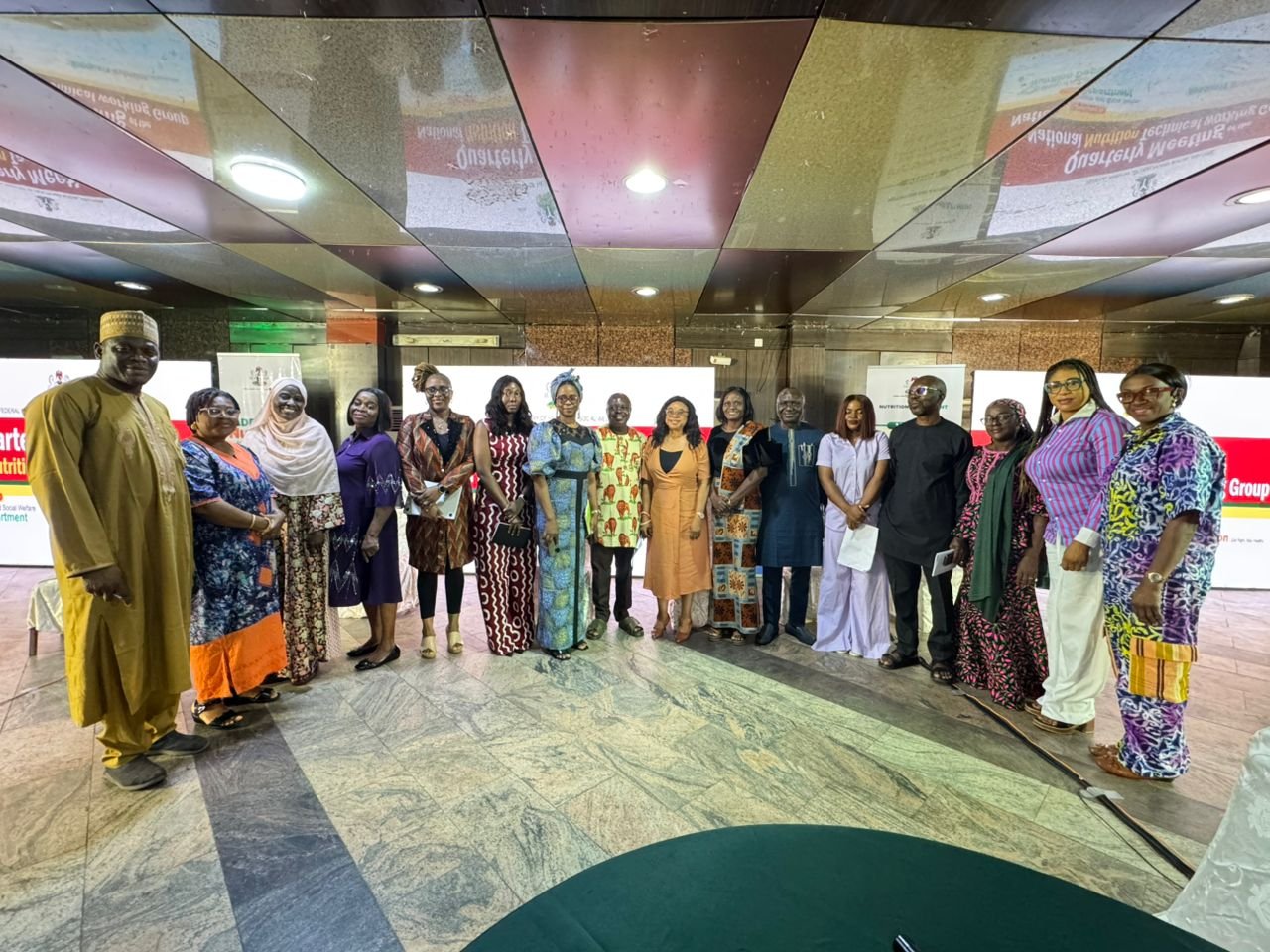
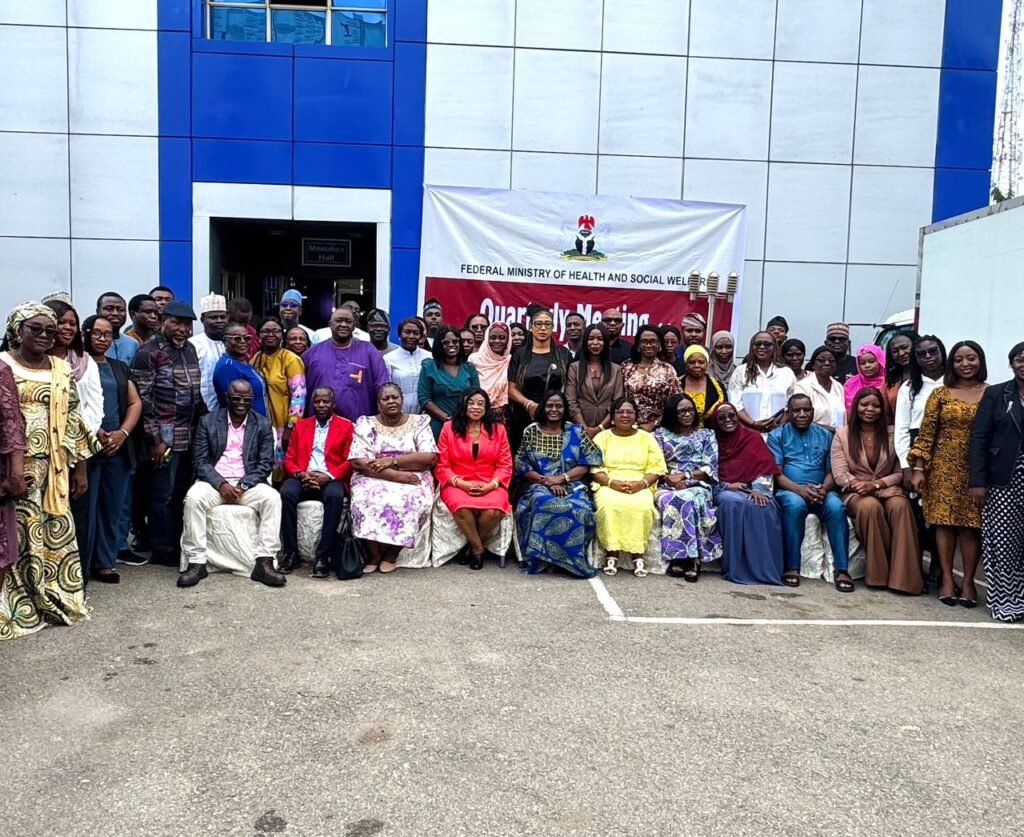
Making this disclosure at the 2nd Quarter 2026 Meeting of the National Nutrition Technical Working Group (NNTWG), held from 24th to 25th June in Abuja, the ministry submitted that more needed to be done despite huge progress made thus far.
The 2026 NNTWG meeting with it’s theme, “Strengthening Nutrition Routine Information System” had over 140 participants in attendance physically and virtually.
Participants who were drawn from Federal and State Ministries, Departments and Agencies (MDAs), Office of the Vice President, development partners, implementing partners, civil society organizations, academia, regulatory bodies, and State Nutrition Officers across the six geopolitical zones, affirmed that strong nutrition response depends on a functional, standardized, and reliable information system.
While noting that recent data from the 2024 Nigeria Demographic and Health Survey (NDHS) clearly stated that
40% of children aged 6–59 months are stunted, 8% wasted, and 27% underweight, the federal ministry of health decried that exclusive breastfeeding remains suboptimal at 29%, even as micronutrient deficiencies persist, with 30% of children deficient in vitamin A and 31% affected by anaemia.
“These figures remind us that, despite the progress made, much work remains to be done, as data quality is directly linked to the systems and processes that generates it’, the ministry stressed.
As discusion centered on ways to improve the NHMIS status, participants avered that weaknesses in standardization and digitization continue to result in fragmented reporting, hence delayed decision-making, and inefficiencies in service delivery.
The (NHMIS) was inn2024 and 2025 reviewed and validated to integrate updated nutrition indicators and improve monitoring and decision-making.
“The revised tools now include key nutrition data elements such as Multiple Micronutrient Supplements (MMS), Small Quantity Lipid-Based Nutrient Supplements (SQ-LNS), Ready-to-Use Supplementary Food (RUSF), birth weight, and early initiation of breastfeeding within one hour of birth.
Read Also: Taraba 2027: Accord Guber candidate, fairness and equal…
“These tools were pilot-tested in six states; Benue, Kaduna, Bauchi, Ogun, Cross River, and Ebonyi, followed by national validation of Primary Health Care (PHC) tools in May 2026”.
Giving their observations, participants decried that delays in the nationwide rollout of the revised NHMIS tools have contributed to continued use of parallel data collection systems by partners, which undermine efforts towards harmonized reporting progress on Nutrition Logistics Systems.
Participants also reviewed progress on the Nigeria Health Logistics Management Information System (NHLMIS), the country’s first integrated health logistics platform providing end-to-end visibility of commodity availability across the health systems.
“Significant progress was reported, including the onboarding of nutrition commodities from 5 commodities to 23 commodities on the platform. These include RUTF, F-75, F-100, RUSF, MMS (all variants), SQ-LNS, MNP, ORS, zinc sulphate, albendazole, iron-folic acid, vitamin A, and other essential nutrition commodities.23 states have been trained and are actively reporting live nutrition commodity data on the NHLMIS which kicked-off on 1st October 2025 with 185 Health facilities reporting for the first-time, thus providing visibility down to the health facility level.
“These achievements are significant, but they must be consolidated and scaled nationwide. The system also integrates State Nutrition Officers and Local Government Area Nutrition Focal Persons into the logistics reporting structure.
Part of the achievement shows that training was conducted for over 1,774 government staff across 23 states where NHMIS tools were reviewed and validated on 13th-14th May, 2026. This therefore established the presence of nutrition data elements in the Antenatal Care (ANC) Registers, Labour and Delivery Registers, Growth Monitoring Registers, and the corresponding summary forms.
Participants further expressed concerns over persistent challenges such as that of parallel procurement and distribution systems, risks of commodity diversion and expiry, as well as nlweak integration of logistics data for planning and decision-making.
They also appealed for sustained collaboration among government institutions, development partners, civil society organizations, and academia to accelerate progress toward national nutrition goals.
“The National Nutrition Technical Working Group continues to serve as Nigeria’s central platform for technical coordination, evidence generation, and alignment of nutrition interventions across all levels of government”.
