
Nigeria will eliminate waste, ensure timely passage of UN budget – Amb. Jimoh

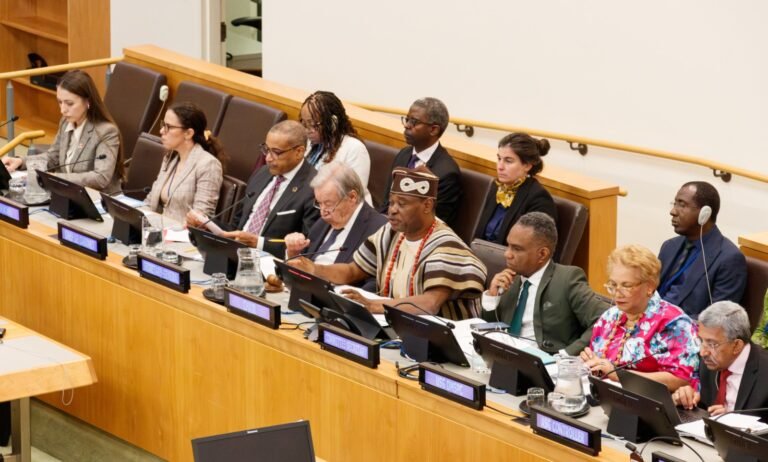
Nigeria will eliminate waste, ensure timely passage of UN budget – Amb. Jimoh
Nigeria’s Permanent Representative to the United Nations, Amb. Ibrahim Jimoh, says his historic chairmanship of the UN Budget Committee will prioritise accountability, eliminate waste and ensure timely passage of the organisation’s multibillion-dollar budget.
Jimoh disclosed this in an interview with the News Agency of Nigeria (NAN) following the presentation of the UN’s proposed 2027 programme budget by Secretary-General António Guterres in New York.
The ambassador said Nigeria’s leadership of the General Assembly’s Fifth Committee, responsible for administrative and budgetary matters, marked a significant milestone in the country’s diplomatic engagement.
“This is the first time in 66 years that Nigeria is chairing the budget and administrative committee of the United Nations,” he said.
Jimoh said the responsibility placed Nigeria at the centre of decisions affecting the organisation’s finances, institutional reforms and implementation of programmes across the world.
He identified waste reduction, accountability and prudent financial management as priorities of his chairmanship.
“The current budget process prioritises reducing waste and ensuring accountability,” Jimoh said, outlining his approach to the negotiations.
He stressed that financial discipline must include proper accounting for resources already expended and the treatment of credits due to Member States.
The ambassador said particular attention was being given to credits arising from assessed contributions and expenditure, including funds that should be returned or credited to contributing countries.
Jimoh disclosed that the organisation’s available cash balance stood at approximately 501 million dollars.
Read Also: NSITF MD urges staff to prioritise customer satisfaction, public…
He described the financial responsibilities under consideration as enormous, involving different components of the UN’s regular and peacekeeping budgets.
He explained that the proposed regular programme budget amounted to approximately 3.3 billion dollars, while peacekeeping operations accounted for an estimated 8.6 billion dollars.
The ambassador said the figures reinforced the need for greater financial scrutiny and accountability in the management of resources contributed by Member States.
On capital expenditure, Jimoh identified a major UN infrastructure project in Nairobi, Kenya, valued at approximately 68 million dollars, among priorities requiring attention.
He said the Committee would also consider financing arrangements affecting the Resident Coordinator System and programmes supporting the Sustainable Development Goals.
However, Jimoh identified the early submission of budget documents as one of the most significant achievements recorded under his leadership.
The ambassador explained that the achievement followed his insistence that the Secretariat must provide the necessary documentation before budget deliberations could proceed.
He maintained that timely submission of reports was essential to preventing prolonged negotiations and avoiding the traditional year-end rush to approve the organisation’s budget.
He reaffirmed his determination to ensure that Nigeria’s historic chairmanship delivered measurable improvements in the UN’s financial administration.
The Fifth Committee examines the UN financial and administrative requirements and makes recommendations to the General Assembly, which has final authority over the UN budget.
