
HYPREP remediates 17 Ogoni sites, seeks broader support

HYPREP remediates 17 Ogoni sites, seeks broader support
The Hydrocarbon Pollution Remediation Project (HYPREP), says 17 contaminated sites in Ogoni land, Niger Delta region have been remediates, as efforts to restore the environment under the HYPREP progress.
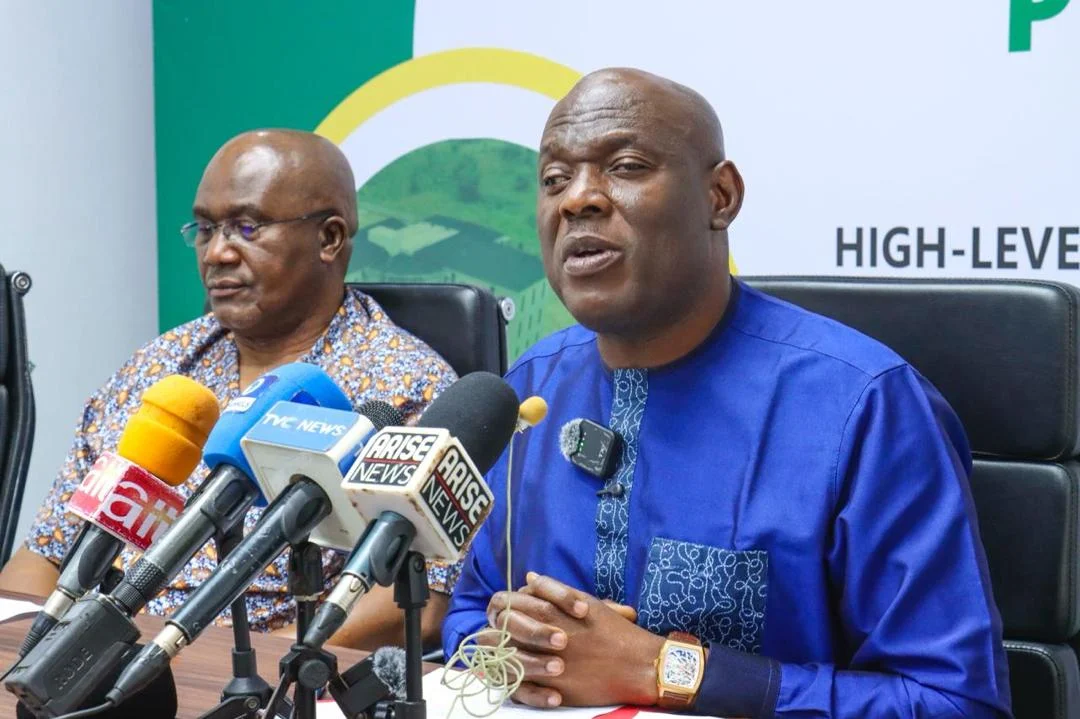
Prof. Nenibarini Zabbey, Project Coordinator, HYPREP, disclosed this on Thursday in Abuja at a news conference ahead of its high-level donor and diplomatic engagement on environmental restoration in the Ogoni land.
HYPREP is a Federal Government initiative established to implement the recommendations of the 2011 United Nations Environment Programme (UNEP) assessment of Ogoni land.
The forthcoming conference, slated for May 26, 2026 will convene the diplomatic community, donor agencies and developmental partners, among others, to explore ways of advancing environmental remediation and sustainable livelihoods in the Niger Delta.
Zabbey said the remediation is being done in phases, adding that UNEP investigated 65 sites, provided factsheets on them, and recommended that they should be remediated.
“UNEP did not investigate all the contaminated sites Ogoni land as at when they released the reports, so there are undocumented sites which HYPREP is currently investigating to check if they require remediation.
Read Also: Nigerian artist urges Africans to reclaim cultural heritage…
“Seveteen simple sites which are sites that only soil is contaminated have been remediated and closed out, so we have the close out certificate with us.
“Thirteen of the 65 sites have undergone natural attenuation, where contaminants reduced to acceptable levels without active intervention.
“The National Oil Spill Detection and Response Agency (NOSDRA) came and investigated and saw that they did not require remediation and closed out the sites,” he said.
Zabbey said remediation was ongoing at 17 medium-risk complex sites, while four groundwater-impacted locations have shown contaminant levels reduced to below the benchmark of 600 micrograms per litre.
“We are making good progress,” he said, adding that the remaining 18 high-risk complex sites located in residential areas were currently undergoing detailed characterisation to determine the scope and method of remediation before contract award.
He explained that the assessment was necessary because environmental conditions, particularly groundwater contamination, may have changed since the UNEP report of 2011.
The project coordinator emphasised that additional contaminated locations, not captured in the UNEP report, were also being investigated for possible remediation.
On funding and details of the one billion dollars remediation fund, Zabbey said details of financials would be unveiled at the conference where the target audience, donors and partners would be present.
He said the upcoming conference was aimed at mobilising not only financial resources but also technical and institutional support.
HYPREP, he said, was seeking partnerships in areas such as capacity building, including training of personnel in groundwater monitoring as well as the establishment of a centre of excellence.
According to Zabbey, the engagement is designed to allow potential partners to assess ongoing work and determine areas where they can contribute.
He reiterated that significant progress had been made, but more support was required to complete the remediation of all impacted sites in Ogoni land, hence the donor facilitation and diplomatic engagement quest.
HYPREP has pursued a holistic approach to environmental remediation, public health intervention, livelihoods restoration, infrastructure development, research peace building and sustainable development in Ogoni land since it commenced operations in 2016.
